When Engine Oil Needs to Be Changed
Direct Answer
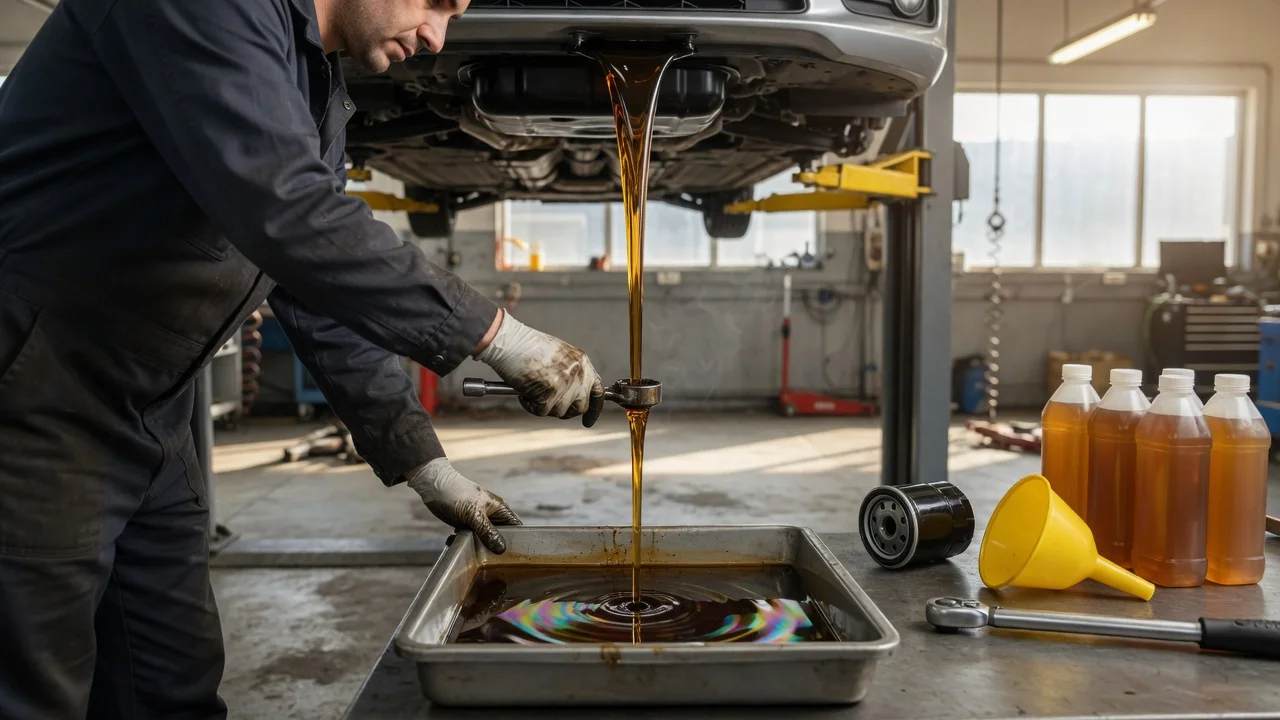
Engine oil needs to be changed when it reaches the end of its service interval, when the oil life monitor indicates replacement is due, or when inspection shows degraded, contaminated, or insufficient oil. The exact point depends on the vehicle, oil type, and operating conditions. A conventional mineral oil may need replacement around 5,000 to 7,500 miles under normal service, while many full-synthetic oils are rated for 7,500 to 15,000 miles or more. Severe service, such as frequent short trips, dusty roads, towing, or extreme temperatures, can substantially shorten the safe interval. Always treat the manufacturer's maintenance schedule for the specific model year, engine, and market as the primary reference.
Why Oil Age and Contamination Matter
Engine oil performs several jobs at once: it lubricates moving parts, helps cool internal components, carries away combustion byproducts, and holds fine debris in suspension. Over time, heat and mechanical shear break down the oil's viscosity and additive package. Fuel dilution, moisture, soot, and metallic wear particles accumulate. When the oil can no longer maintain a protective film or neutralize acids effectively, wear accelerates. That is why the question is not just about mileage; time also matters. Oil degrades chemically even when a vehicle sits, which is why many schedules specify a maximum time interval, commonly 6 to 12 months depending on the oil and application.
Signs That an Oil Change May Be Due
Several observable signs can indicate degraded or insufficient oil. Dark, gritty oil on the dipstick is normal for used oil, but a grainy texture or a strong fuel smell is not. Low oil level despite normal consumption may point to leakage or burning. Increased engine noise, especially valve train clatter on startup, can indicate reduced oil pressure or poor lubrication. Exhaust smoke that is blue-gray under load suggests oil entering the combustion chamber, although this can have causes unrelated to oil age. Dashboard warnings, including low oil pressure or an illuminated oil service light, should be investigated immediately.
Oil Life Monitors and Service Indicators
Modern vehicles often use an oil life monitoring system rather than a fixed mileage sticker. These systems estimate remaining oil life from engine revolutions, operating temperature, trip length, and other data. Some use direct oil condition sensors. When the monitor shows a low percentage or displays a change oil message, the oil has reached the point where the manufacturer wants it replaced. Resetting the monitor after an oil change without actually changing the oil will not restore the oil's protective properties and can lead to neglected maintenance.
Normal Versus Severe Service
Driving conditions change how quickly oil degrades. Short trips that do not fully warm the engine allow moisture and fuel to build up. Sustained high-speed driving, heavy payloads, towing, stop-and-go traffic in hot weather, and operation on dusty or unpaved roads all load the oil more heavily. Many owner's manuals define a severe service schedule for these conditions. If a vehicle regularly sees even one severe factor, the shorter severe interval usually applies. This distinction explains why two owners with the same model can have very different safe oil change intervals.
Oil Type and Its Effect on Change Interval
Conventional, synthetic blend, and full-synthetic oils do not all last the same distance. Full-synthetic oils generally resist thermal breakdown and oxidation better than conventional oils, which is why they are often specified for longer intervals. However, the oil's approval or specification matters more than the word synthetic on the bottle. Using an oil that meets the automaker's required viscosity and performance standard is essential. A longer interval claimed for one synthetic oil does not automatically transfer to another engine or another synthetic product.
Checking Oil Condition at Home
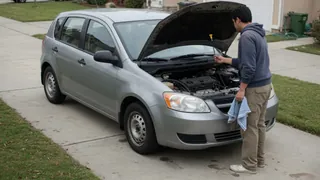
A basic check is possible with the dipstick. Park on level ground, let the engine reach operating temperature, shut it off, and wait a few minutes for oil to drain back. Pull the dipstick, wipe it, reinsert it fully, and read the level. Oil should be between the minimum and maximum marks. Rub a small amount between fingers; it should feel slippery, not tacky or gritty. A strong odor of gasoline or a milky, frothy appearance suggests contamination. These checks do not replace laboratory oil analysis, but they can catch gross problems early.
When to Act Rather Than Wait
If the oil pressure warning light comes on while driving, stop as soon as it is safe and check the oil level. Low oil pressure can cause severe engine damage quickly. If oil level is acceptable but the warning persists, the engine needs professional diagnosis before further use. A change oil message or an overdue service interval on a maintained vehicle should be addressed promptly. Delaying an oil change by a few hundred miles under normal conditions is rarely catastrophic, but consistent neglect shortens engine life.