Wheel offset vs backspacing: the difference explained
Wheel offset and backspacing describe the same mounting position from different reference points, so confusion is common when comparing wheel offset vs backspacing. Offset measures from the wheel’s centerline to the hub mounting face, while backspacing measures from the inner rim edge to that same face. The distinction matters because both dimensions, along with rim width and diameter, determine how a wheel sits in the wheel well and whether it clears suspension, brakes, and fenders. Understanding wheel offset and backspacing helps you choose wheels that keep the tire centered under the vehicle without rubbing.
Direct answer
The immediate answer is that what is wheel offset and backspacing comes down to direction and reference. Offset is the distance from the wheel’s true centerline to the mounting surface, expressed as positive when the hub face sits toward the outside, negative when it sits inward, and zero when centered. Backspacing is simpler: it is the straight-line measurement from the inner edge of the rim to the mounting surface. The two numbers are related by rim width, but one does not replace the other in every fitment check.
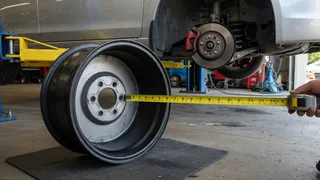
This means wheel offset backspace comparisons require knowing the total rim width, because the inner edge location depends on that width. A wheel with the same offset but a wider rim will have more backspacing. For that reason, what is the difference between wheel offset and backspacing is practical rather than academic. Offset tells you how the wheel’s contact patch moves relative to the hub, while backspacing tells you how much rim extends inward toward the suspension and other components.
Differences and suitability
Wheel offset and backspacing matter for different clearance checks. Offset is useful for comparing how far the tire’s centerline shifts outward or inward relative to the hub, which affects steering feel, bearing load, and fender clearance. Backspacing is more direct for inner clearance, the space between the back of the rim and suspension arms, frame, or brake components. If you are asking what is wheel backspacing and offset for a lifted truck or custom wheel setup, backspacing often gets checked first because deep-dish wheels reduce inner clearance quickly.
Using a wheel offset vs backspacing calculator helps when comparing brands that quote only one dimension. Convert backspacing to approximate offset by measuring the rim width, finding the centerline, and comparing it with the mounting surface position; convert offset to backspacing by adding half the rim width plus flange thickness, then the offset value depending on direction. Wider rims with low positive or negative offset push tires outward and can improve stance, but they increase scrub radius and may contact fenders during suspension travel. Narrower rims with high positive offset or more backspacing tuck inward and improve inner clearance, but they can reduce turning clearance at full lock. The suitable choice depends on tire compatibility, bolt pattern, and whether the vehicle’s suspension geometry favors inner or outer clearance.