What Is a Tire Bead?
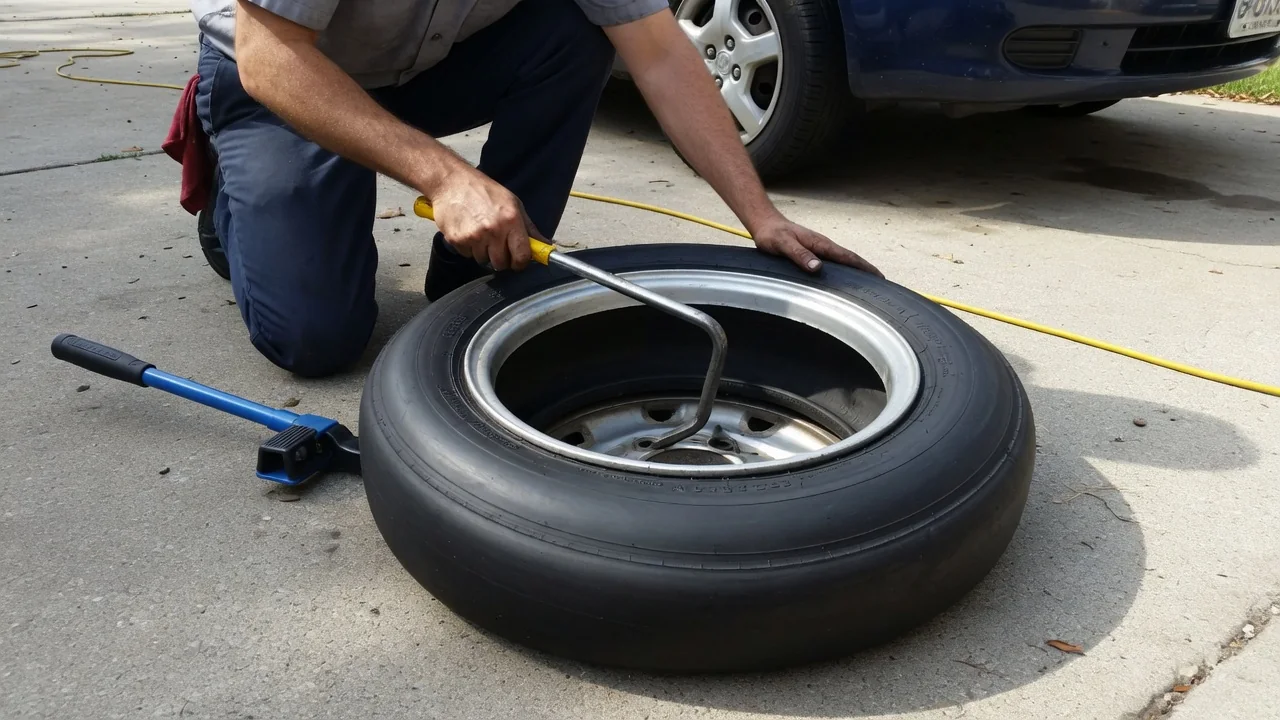
Anyone asking what is a tire bead is really asking how a flexible rubber tire stays locked to a rigid metal wheel. The bead is the reinforced inner edge of the tire, built around a hoop of steel wire, that presses against the rim and forms the airtight seal a tubeless tire depends on. Understanding it explains a lot about leaks, mounting, and wheel care.
Bead seat
The bead seat is the shelf on the wheel where the tire's inner edge rests. On a typical passenger wheel, each side has a slightly tapered ledge just inboard of the rim flange. The bead rides up this taper as the tire fills with air, wedging tighter as it goes. The flange then acts as a wall that stops the bead from sliding outward, while the bundle of steel wire inside the bead resists stretching so the fit stays snug.
Many wheels also have a small raised ridge, often called a safety hump, on the inboard side of each seat. Its job is to discourage the bead from slipping into the deep center well if pressure drops. With a tire off the wheel, the seats are easy to see as smooth, clean bands near each edge. Their exact shape, width, and hump design vary between wheel types and manufacturers, which is why tire and wheel sizes must be matched properly.
Inflation
Air pressure is what turns the bead from a loose rubber edge into a working seal. When a tire is first mounted, the beads sit down in the center well of the wheel. As air goes in, the sidewalls push outward and the beads climb the tapered seats, often snapping into position with one or two distinct pops. Shops use a lubricant on the bead during this step so the rubber slides evenly instead of dragging and seating crooked.
Once seated, inflation pressure holds the bead firmly against the seat and the flange, and that contact is the only thing keeping air inside a tubeless tire. This is why low pressure matters beyond tread wear: a badly underinflated tire grips the rim with less force, and hard cornering or a pothole can push the bead away from the flange. The correct pressure for a vehicle is listed on its tire placard, usually found on the driver's door jamb, and it differs from one model to another.
Damage risks
The bead is strong in the direction it was designed for, but it can be hurt by careless handling. Forcing a tire on or off without proper equipment or lubricant can tear the rubber covering the bead or kink the steel wire inside. A kinked or broken bead bundle cannot be repaired, and a tire in that condition should not be put back in service, because the bead may no longer hold its position on the rim under load.
The wheel side of the seal is just as vulnerable. Corrosion on the bead seat, common on older alloy wheels exposed to road salt, creates a rough, pitted surface that lets air seep past. Curb strikes and potholes can bend the rim flange so the bead no longer sits evenly. Driving on a flat tire is especially harmful, since the collapsed sidewall lets the bead chafe and shift against the wheel, damaging both parts well before the tread looks ruined.
Everyday Use and Observations
In daily driving, the bead does its work unseen, so the clues to a problem are indirect. The most common is a slow leak that returns after every top-off, with no nail or puncture in the tread. A simple check is to wet the area where the tire meets the rim with soapy water and watch for a steady stream of small bubbles. Leaks here are often traced to corrosion, dirt trapped during mounting, or a slightly bent flange.
A properly seated tire also gives a visual cue. Most tires have a thin molded line running around the sidewall just above the rim edge. When the bead is seated evenly, that line sits at a consistent distance from the rim all the way around on both sides. If it dips toward the rim in one spot, the bead may not be fully seated, which can cause vibration or air loss. The appearance of this line varies by tire brand and design.
Limits and Next Steps
There are firm limits to what an owner should attempt with a bead. Looking for bubbles, checking pressure, and inspecting the rim edge for bends or corrosion are reasonable at home. Seating a bead is different, because a tire that refuses to seat can fail violently if someone keeps adding air. Tire shops use controlled equipment and observe the maximum seating pressure set by the tire manufacturer, and that work is best left to them rather than improvised in a driveway.
When a bead leak is suspected, the practical next step is to have the tire dismounted and both surfaces inspected. A technician can clean a corroded seat, apply sealer where appropriate, and judge whether the bead itself is intact. If the wire is exposed, the rubber is torn, or the wheel is bent, replacement of the affected part is the usual answer. Until then, keep the tire at the placard pressure, check it often, and avoid driving on it when it is visibly low.