What Are Winter Tires and How Do They Actually Work?
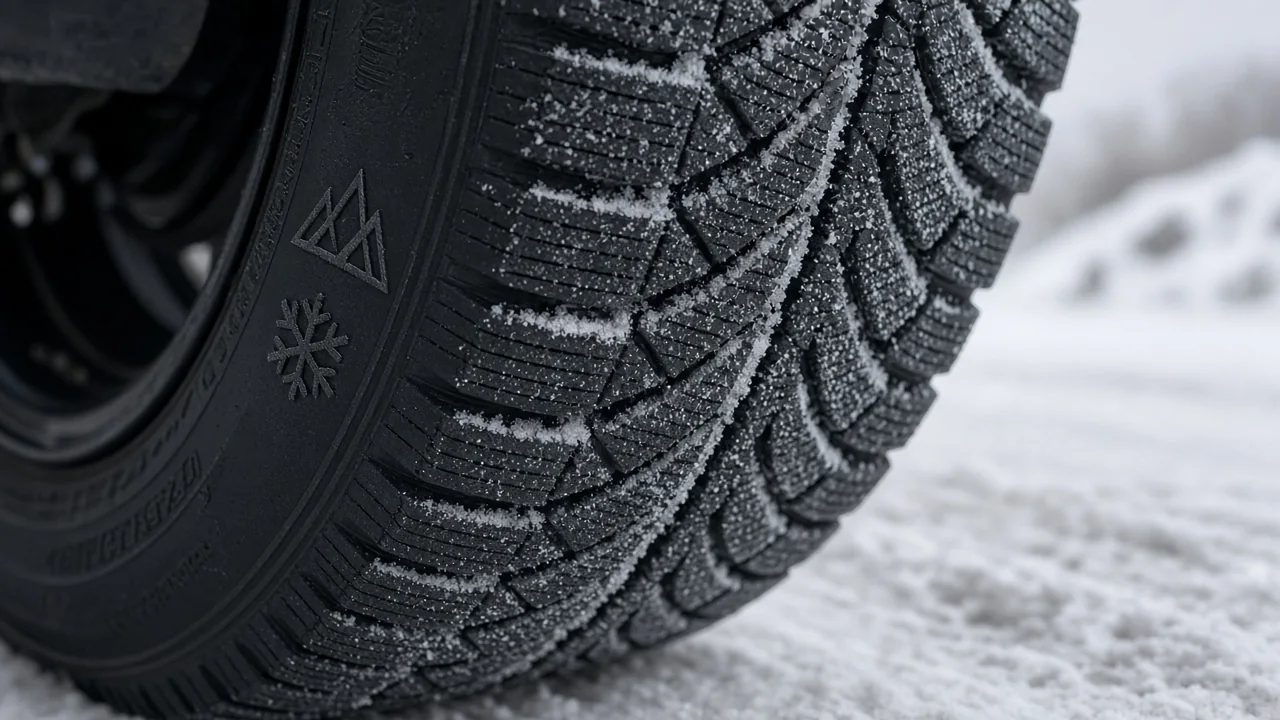
When temperatures drop and roads turn white, your tires largely determine how well your car starts, steers and stops. Tires for winter are designed for those conditions, with special rubber and tread that keep their grip where ordinary tires struggle. Here is what sets them apart, how they work on snow, slush and ice, and who really benefits from them.
What a Winter Tire Is and the Problem It Solves
A winter tire is engineered for the whole cold season, not just the occasional storm. It is designed to keep working through long stretches of low temperatures and on packed snow, slush and icy patches, where a conventional tire loses grip. Many drivers still call them snow tires, which is the older name for the same category. The newer term is more accurate because these tires are just as useful on cold, bare pavement as on snow-covered roads.
Because they are specialized, winter tires are a seasonal fitment. They go on as the cold months arrive and come off when temperatures climb again. The core idea behind them is simple. Winter grip depends on two things working together: rubber that stays flexible enough to conform to a frozen surface, and tread that can bite into snow and clear it away. This explainer covers those fundamentals and leaves studs, inflation pressure, storage, brand comparisons and model-specific sizing for separate discussions.
Cold-Weather Rubber: Why Compound Matters More Than Snow
Tire rubber behaves differently as the air gets colder. A compound designed for summer heat, or as a year-round compromise, gradually stiffens as temperatures fall. Stiffer tread can't mold itself into the tiny irregularities of the road surface, and that microscopic contact provides much of a tire's grip. Winter tires address this with compounds that typically use more silica and softer polymers. These keep the tread pliable in cold air and on frozen pavement, so it keeps conforming to the road.
That flexibility pays off well beyond snow days. On cold roads, whether dry or wet, a winter compound generally brakes better and steers more precisely than a tire that has hardened in the chill. The trade-off appears when warm weather returns. The same soft rubber wears quickly and can feel vague or squirmy in corners, which is why winter tires come off in spring. Many drivers switch when temperatures stay around 45°F, but that is a rule of thumb rather than a precise cutoff.
What Winter Tires Look Like: Tread Blocks and Siping
Winter tires are usually easy to spot once you know the signs. New winter tread tends to be deeper than on a typical all-season tire. The grooves running around and across the tire are wider, and the blocks near the shoulders are more open. Look closely and you will see each block cut with a dense pattern of fine slits called sipes. Together, these features give the tread an aggressive, blocky look compared with the smoother, tighter pattern of many highway-oriented tires.
Sipes matter because they divide each tread block into many small edges. As the tire rolls and the block flexes under load, the slits open slightly and their edges bite into packed snow and ice. Many winter designs also use directional or asymmetric patterns whose channels angle toward the outside of the tire, pushing slush away from the part that touches the road. Looks can mislead, though. Some all-season and all-weather tires use similar patterns, so the sidewall markings are a more reliable guide.
How the Design Works on Snow, Slush and Ice
On snow, a winter tire uses the snow itself to gain traction. Its deep grooves fill with packed snow as the tire turns, and that trapped snow grips the snow on the road, because snow holds onto snow better than rubber does. In slush and standing water, the wide grooves and open shoulders act as escape channels. They move slush and water out from under the tread so the tire stays in contact with the pavement, which lowers the risk of hydroplaning.
Ice is the toughest case. There, grip comes mostly from the soft compound and the edges created by sipes, and traction is still limited compared with any other surface. Winter tires can shorten stopping distances and sharpen steering response in the cold, but they can't overcome physics, and too much speed will still overwhelm them. They should also go on all four wheels. Mixing winter and non-winter tires leaves one axle with much more grip than the other, which can make the vehicle unpredictable in a skid.
Reading the Sidewall: 3PMSF Symbol Versus M+S
The Three-Peak Mountain Snowflake symbol, a mountain outline with a snowflake inside, shows that a tire has passed a standardized snow traction test. The M+S marking, short for mud and snow, means something different. It describes the tread's shape, such as the size of its grooves, rather than proven performance, and many all-season tires carry it. An M+S marking alone doesn't mean a tire is a winter tire, and it says little about how the tire handles cold pavement or ice.
Even the 3PMSF symbol needs context. Some all-weather tires carry it too, so it confirms a basic level of snow capability rather than proving that a tire is a dedicated winter model. The test behind it measures how well a tire accelerates on snow and says nothing about ice, so the symbol sets a minimum rather than giving a complete rating. If local rules or regular conditions call for winter-rated tires, look for 3PMSF at a minimum, then consider whether a dedicated winter design better suits your roads.
Dedicated Winter Tires Versus All-Season: Who Actually Benefits
A dedicated winter tire is built only for cold-season use, unlike all-season and all-weather tires that balance competing demands across the year. The drivers who gain the most face regular sub-freezing temperatures, frequent snow or ice, steep hills, or rural roads that aren't plowed or treated quickly. For them, the extra grip when braking and cornering can make a real difference. Drivers in mild climates with rare freezes, or those who can simply stay home during snowstorms, may reasonably do without.
Many people assume all-wheel drive can take the place of winter tires. It helps a vehicle accelerate by sending power to all four wheels, but it doesn't shorten braking distances or add cornering grip, because those depend on how well the tires hold the road. For most winter-tire owners, the practical approach is to run two sets: winter tires for the cold months and all-season or summer tires for the rest of the year. Swapping them becomes a routine seasonal task, and each set does the job it was designed for.