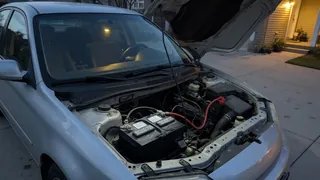
What a battery discharge warning means
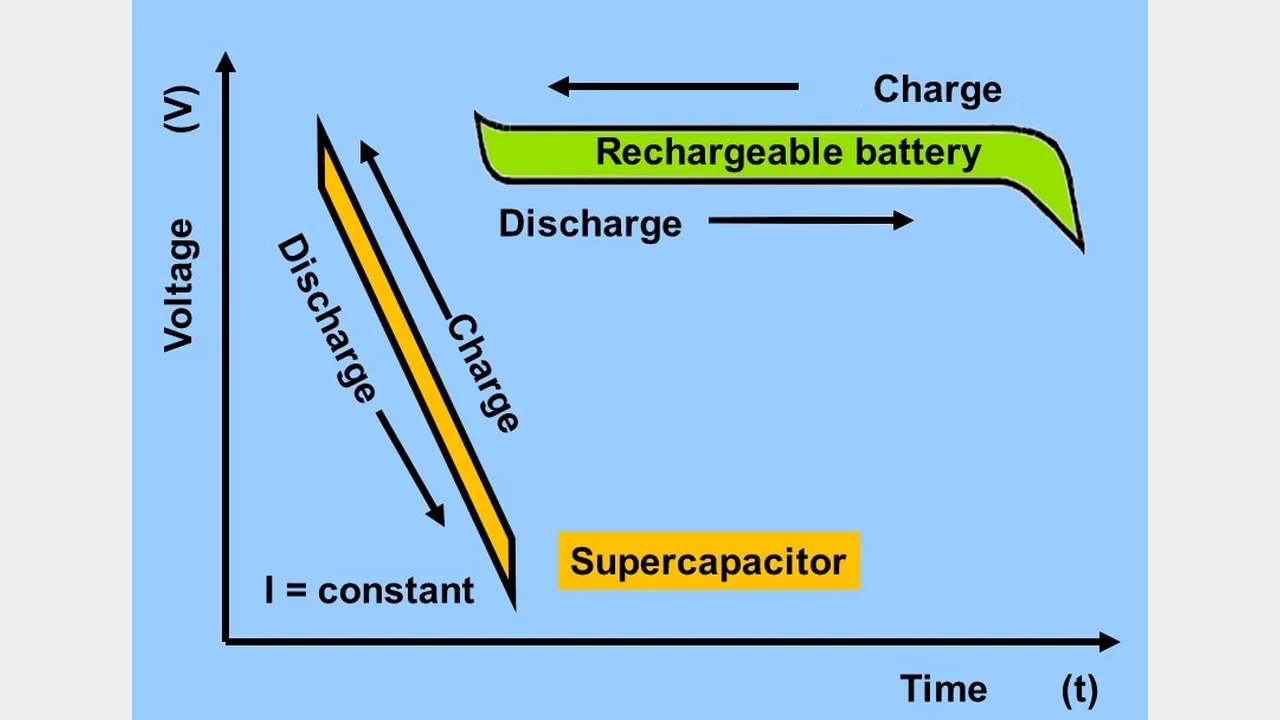
A battery discharge warning on the dashboard means the vehicle has detected that the electrical system is consuming stored energy while the engine and charging system are not actively replenishing it at the expected rate. This alert typically appears in key-on or accessory mode and signals that continued use of electronics may drain the 12-volt battery to a level where the engine cannot crank. The warning is a diagnostic clue, not a final verdict. It directs attention to how the battery, charging output, and connected circuits are behaving under current conditions, helping you decide whether to start the engine, reduce electrical load, or investigate a deeper fault.
Essential answer
The warning generally means the battery is being used as the primary source of power instead of the alternator or DC-DC converter. This can happen whenever the ignition is on but the engine is off, or if the vehicle’s energy management system detects that voltage has fallen below a threshold while accessories remain active. In many modern vehicles, the message appears as a conservation strategy before the battery reaches a critical state of charge. It is an advisory that you should restore charging promptly, often by starting the engine, or switch off unnecessary loads to protect starting capacity.
The alert does not automatically prove the battery is faulty. It may reflect normal behavior when the radio, climate fan, or infotainment screen runs for an extended period with the engine stopped. However, if the warning appears while the engine is running, the meaning shifts toward a charging system concern, such as reduced charging output, a slipping drive belt, or high resistance at the battery terminals. The exact interpretation depends on system voltage, battery state of health, and what the vehicle was doing when the message appeared, so treat it as evidence that requires a quick but structured assessment rather than an immediate parts replacement.
How it works
Vehicles monitor electrical health by comparing real-time system voltage and current flow against expected values for the current operating state. When the engine runs, the alternator should raise voltage above the battery’s resting level, supplying the vehicle’s loads while recharging the battery. When the engine stops, the battery alone supports the modules, lighting, and infotainment. A discharge warning is triggered when the control module calculates that the net current is leaving the battery at a rate that could compromise the next engine start, given the present state of charge and temperature.
The battery serves as a buffer that smooths voltage for sensitive electronics, but it has a finite reserve of chemical energy. Every load, from a seat heater to a module staying awake, creates a small voltage drop. A smart charging or battery monitoring system tracks this draw and compares it with cranking requirements. If the system estimates that the reserve has fallen below a safe margin, it issues the warning and may begin shutting down comfort features, dimming displays, or limiting accessory run time. This logic explains why the warning can appear before the driver notices any obvious dimming or slow cranking.
Strengths, limitations and suitability
This warning is a useful early signal for owners who regularly use accessory mode while parked, such as during drive-in events or long waits with the audio system on. Its strength is preventive: it gives you time to start the engine or reduce load before the battery terminals drop to a voltage that cannot engage the starter. It is also valuable in vehicles with many always-on modules, where a parasitic draw could otherwise go unnoticed until a no-start event. For these users, the alert is a practical buffer against an inconvenient jump-start.
A limitation is that the warning is generic across many models and does not identify the specific cause of the draw. It also depends on the accuracy of the battery sensor and the vehicle’s calibration. An older battery with reduced capacity may trigger the message sooner, even when the electrical loads are modest, because the available reserve is smaller. For that reason, the warning suits attentive owners who want a clear trigger for inspection, but it does not replace a proper voltage drop test, charging output check, or battery capacity test when symptoms repeat or occur while driving.
Procedure
When the warning appears with the engine off, the immediate step is to start the vehicle if it is safe to do so. This restores charging output and lifts system voltage back to the normal operating range. If you cannot start the engine, shut down nonessential accessories: climate control, seat heaters, audio amplifiers, phone chargers, and interior lights. Reducing the current demand slows the discharge rate and may preserve enough battery capacity for a later start. Then allow the car to charge by driving for a sustained period rather than idling briefly, which may not recover a deeply depleted battery.
After addressing the immediate state, perform a basic visual inspection. Check that the battery terminals are tight and free of heavy corrosion, since high resistance at the connection can exaggerate a discharge reading. Verify that the serpentine belt is present and not obviously slipping, because a loose belt reduces alternator output and can cause the warning while driving. If the alert returns with normal terminal connections and a healthy charge after driving, the next logical check is for a parasitic draw measured after the vehicle enters sleep mode, a task that involves careful use of a meter in series with the battery and should follow the manufacturer’s guidance for module shutdown timing.
Diagnosing a problem
A discharge warning while the engine is off is often explained by recent use of electronics, a battery with reduced capacity, or a module that stayed awake longer than expected. If the warning appears only during long accessory use and clears after a good drive, the battery may simply have been asked to deliver more than its current state allows. Cold weather also increases the cranking demand and lowers available capacity, so an otherwise serviceable battery may show the warning on a cold morning before a start.
When the message appears with the engine running or returns repeatedly without heavy accessory use, suspect a charging system issue or an excessive parasitic draw. Check the charging output at the battery terminals with the engine running; a value that does not rise above the battery’s resting voltage suggests the alternator is not contributing. A stable warning after shutdown may point to a relay, aftermarket accessory, or comfort module that is not entering sleep. Because fault codes stored by the body or energy management module can indicate which circuit is active, a scan tool can help direct further testing. Stop driving and seek professional diagnosis if the warning is accompanied by flickering lights, a burning smell, or an engine that stalls, since continued operation can strand you or damage sensitive electronics.