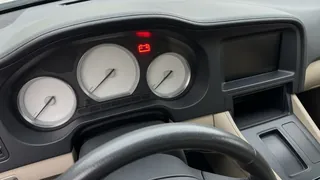
Car battery warning light on the dashboard
A battery-shaped warning indicator that lights intermittently can feel confusing because the charging system often still seems to work normally. The light is not a simple battery gauge. It reports whether the vehicle's electrical generation and voltage regulation are functioning correctly at that moment. When the dashboard symbol appears and then disappears, the cause may involve loose connections, a worn drive belt, changing electrical loads, or heat-related behavior in the alternator and voltage regulator. Interpreting the pattern helps narrow the problem before normal operation masks it again.
Essential answer
The battery light going on and off usually means charging voltage is intermittently falling outside the expected operating range. The warning circuit compares alternator output with system voltage. A brief imbalance can illuminate the indicator at idle or during a turn, then clear when engine speed rises and output recovers. It does not automatically mean the battery is defective; it means the charging system is not maintaining a steady condition every time the vehicle is running.
A car dashboard showing the battery symbol during startup is expected because the warning circuit is energized before the engine spins the alternator. Once the engine runs and output rises, the light should go out. If it later flickers while driving, the vehicle is signaling a recurring loss of adequate generation. The owner manual and any accompanying display message can clarify whether the indicator is shared with other charging-system warnings for that particular model.
Diagnosing a problem
Begin with observable connections and the alternator drive belt. A loose or corroded battery terminal can create enough resistance to drop voltage under load, making the instrument cluster illuminate briefly. A slipping or glazed belt may fail to spin the alternator consistently, especially when cold or damp. If the light changes with engine speed, electrical load, or humidity, the issue is often an unstable mechanical or electrical connection rather than a single failed component.
Heat can also produce intermittent behavior. A voltage regulator or alternator with degraded internal connections may function until temperatures rise, then stop charging until the assembly cools. If the light returns after short periods of driving and clears after the vehicle sits, consider stopping use and having the charging output measured under load. A fault code, if present, is evidence to guide diagnosis, not proof that a specific part must be replaced.