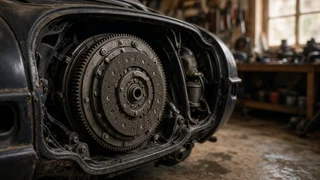
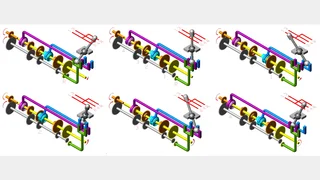
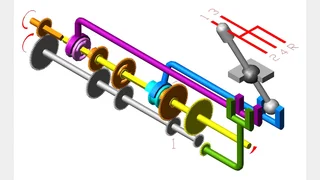
Wet clutch in a manual transmission
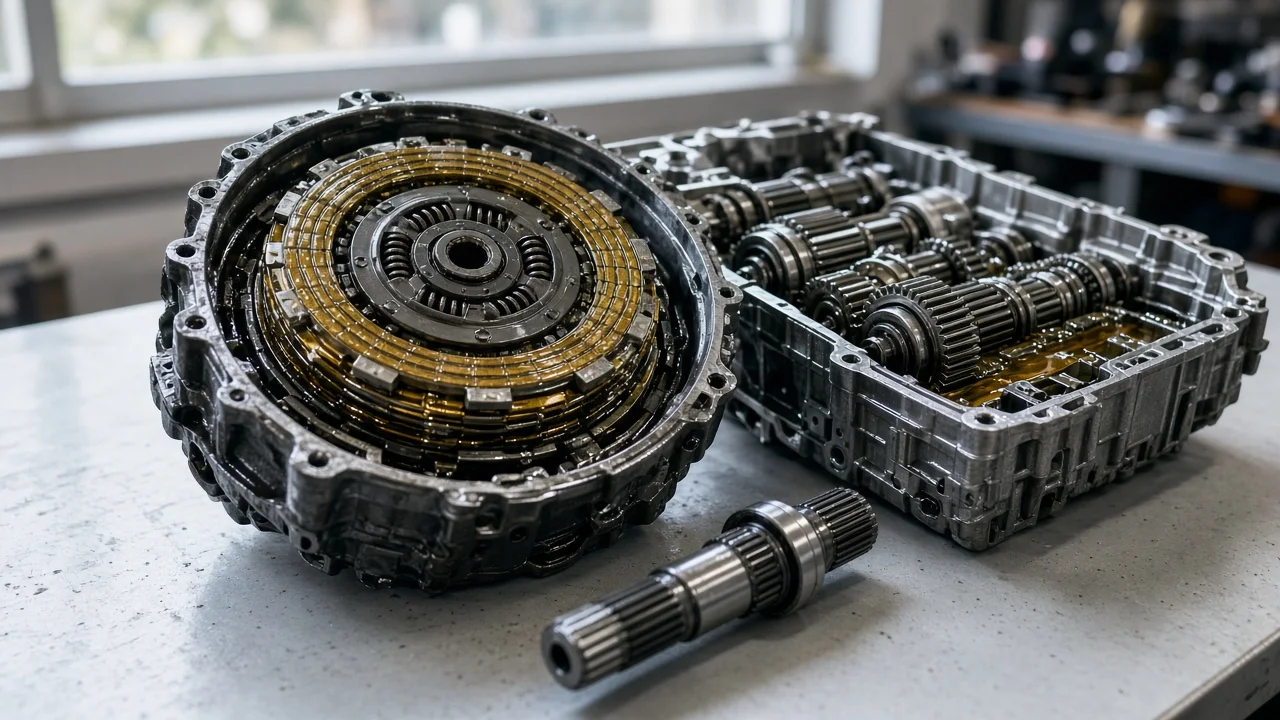
A wet clutch in a manual transmission is a design that packages the clutch friction components inside the gearbox case so they run in an oil bath shared with the rest of the drivetrain. This arrangement changes heat capacity, engagement feel, and service considerations compared with the dry clutch most drivers picture in a conventional car. For riders and owners encountering this specification, the practical question is not simply what the term means but how the transmission type and fluid specification shape shift behavior over time, fitment options, and repair choices when diagnostic codes or odd engagement appear.
Essential answer
The essential answer is that a wet clutch in a manual transmission runs the clutch pack in lubricating fluid inside the gearbox rather than in open air between the engine and bellhousing. The oil carries heat away from repeated friction events, helps stabilize engagement, and damps some of the abruptness that a dry assembly can show. This configuration is most familiar in motorcycles, some compact and powersport vehicles, and a limited range of automotive gearboxes where packaging or durability under slip favors the sealed design. It is a transmission type choice, not a judgment that wet is universally better than dry.
Because the same lubricant touches gears, synchronizers, bearings, and clutch plates, the fluid specification matters more than in a dry-clutch manual. An oil with the wrong friction modifiers can make engagement grabby or allow slip, even when the clutch parts are within wear limits. When shift behavior changes, the service history and any manufacturer-dependent diagnostic codes should be read as clues about the fluid condition, cable or hydraulic adjustment, and plate wear. Fitment for replacement parts must follow the specific variant because some transmissions using a wet clutch share cases with dry-clutch versions, and exact compatibility is not safely assumed from appearance alone.