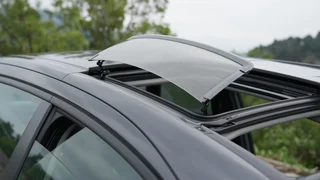
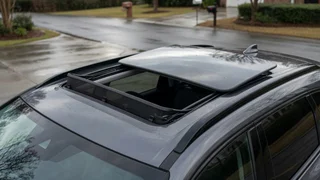
WeatherTech Sunroof Wind Deflector Reviews

Choosing a sunroof wind deflector means weighing airflow control against fit, mounting security, and long-term durability. WeatherTech’s accessory is designed to reduce wind noise and turbulent air entering the cabin when the glass panel is open. This review-style guide explains what to examine before buying: how the deflector attaches to the attachment surface, how it influences opening movement and roof clearance, and what practical signs suggest a good or poor match. Conditions such as sunroof size, trim depth, and roof curvature can materially change how well a deflector works, so a close look at your vehicle’s roof opening is the first useful step.
The direct answer
WeatherTech sunroof wind deflector reviews generally point to the same practical question: whether the deflector can mount cleanly and stay secure while reducing buffeting. The product is intended to redirect airflow upward and over the opening, which lowers the pressure pulses that create wind noise and cabin boom at speed. Its usefulness is strongest when the sunroof is partially or fully open during highway driving. If the roof opening has an unusually deep channel, curved glass surround, or an existing factory deflector, fitment becomes the condition that most changes the result.
Look closely at the mounting clips and attachment surface before purchase. WeatherTech designs often rely on a friction or spring-clip interface that seats against the sunroof opening rather than adhesive, so the surrounding metal or trim must be smooth and accessible. Real-world user feedback suggests checking whether the clips clear the moving glass without rubbing during opening movement. Changes in roof clearance, seal thickness, or aftermarket trim can interfere even when the deflector itself is made from durable smoke-tinted acrylic or similar material.