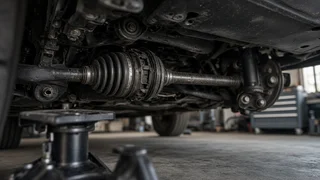
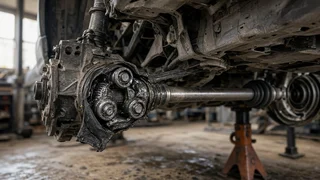
VW Passat inner CV joint
A failing inner CV joint on a VW Passat changes the way the car behaves under acceleration, load, and steering. The measured search interest around this part points to owners who are deciding whether to replace one axle assembly, rebuild the joint, or address a related drivetrain noise before it worsens. The symptom is often most obvious as vibration during hard acceleration or a metallic clunk when transitioning between throttle and coast. Pinpointing the inner joint rather than the outer unit requires attention to when the noise appears, because each joint handles different angles and torque loads.
The direct answer
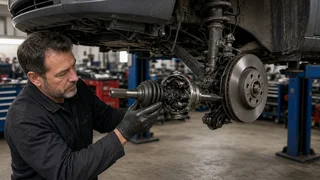
The immediate question usually concerns whether the Passat needs an inner CV joint replacement, a complete axle shaft, or a different repair altogether. In many cases, a worn inner joint is tied to the model generation, powertrain configuration, and whether the vehicle uses a manual or automatic transmission. The inner joint operates at the transmission side, where it accommodates suspension movement and axle plunge while transmitting drive torque. If this joint is the source, replacing the entire rebuilt axle assembly is the common repair path because it resolves both inner and outer joint wear in one service visit.
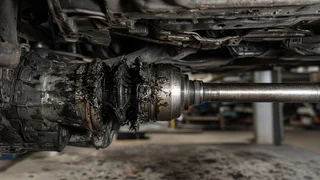
The condition that materially changes the answer is the nature of the symptom. Vibration under heavy throttle that smooths out when coasting often suggests an inner tripod joint issue, while clicking during tight turns typically points to the outer joint. A split or displaced inner boot that has allowed grease loss and contamination may also confuse the diagnosis. Since the Passat has been sold in different market specifications and body styles, the relevant axle options should be confirmed by model year and trim level before purchase. A fault code alone is not proof that a joint has failed; mechanical inspection remains necessary.