VW Fault 03803 Steering Angle Sensor for Power Assisted Steering
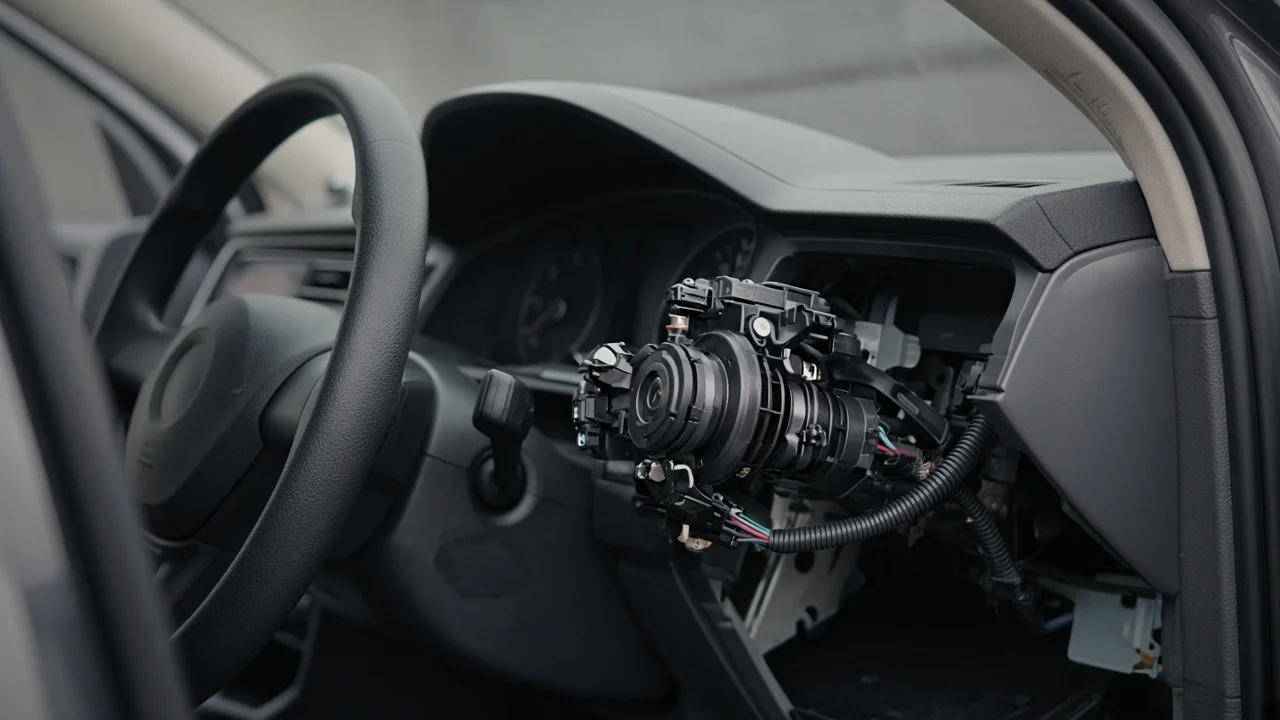
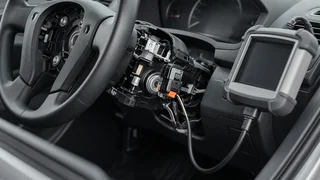
A VW 03803 fault points to a discrepancy in the steering angle sensor signal used by the power assisted steering system. This code does not by itself identify a failed component. It indicates that the control module is receiving data outside the expected range or missing the calibrated reference. Drivers may notice heavier steering, a warning lamp, or changes in return-to-center behavior. The practical task is to interpret the code alongside symptoms and confirm whether the issue is electrical, mechanical, or related to lost basic settings before replacing parts.
Direct answer
The VW 03803 code is a manufacturer-specific diagnostic entry relating to the steering angle sensor for power assisted steering. It does not directly name a single broken part. The sensor reports steering wheel position and rate of movement so the module can calculate the correct amount of electric assist. When this value is missing, intermittent, or outside plausibility checks, the controller may store the fault and reduce or modify assistance to protect against unintended steering behavior.
The correct response begins with confirming the exact vehicle application and control module, because some Volkswagen group models share similar code structures but use different calibration routines. A low battery, recent alignment change, or disconnected sensor can all set the code without a defective sensor. Treat the entry as evidence that the system lost confidence in the steering angle signal, then use live data and basic settings checks to find why the signal became implausible before considering replacement.
Interpreting symptoms and test results
Intermittent steering assist loss with a stored 03803 often suggests a signal dropout or a calibration mismatch rather than a hard internal failure. A scan tool that shows the steering angle frozen while the wheel is turned indicates a wiring, power, or sensor communication problem. If the displayed angle changes but is offset by a large amount, the basic setting may have been cleared after suspension work or a battery disconnect. Checking wheel alignment and ride height is useful here because altered front geometry changes the physical center reference the sensor expects.
Mechanical wear can also create an implausible signal. Loose steering or suspension mounting points, joint play in the column or linkage, and incorrect fastener specification after repairs allow movement that the sensor interprets as inconsistent steering input. In these cases the fault is not corrected by replacing the sensor. Vehicle support and stable mounting during inspection are safety-relevant because the system requires clean, repeatable signals. Compare scan data with the wheels straight ahead, then confirm whether the code returns after a properly performed basic setting before concluding the sensor itself requires replacement.