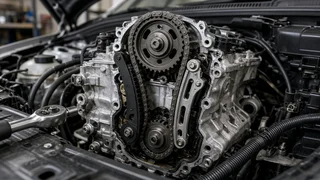
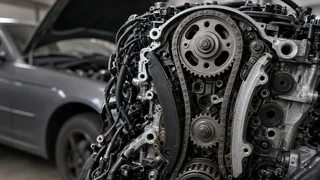
VW 2.5 engine timing chain
The Volkswagen 2.5 engine uses a timing chain rather than a rubber timing belt, which changes how owners should think about long-term wear and service. This inline five-cylinder configuration relies on the chain to keep the camshaft and crankshaft synchronized, so valve events stay ordered during every combustion cycle. Understanding the chain’s role helps explain common noises, inspection priorities, and why a missing service history matters more than a fixed replacement interval. The following overview addresses what this component does, how symptoms appear, and what a practical next step looks like.
Essential answer
The VW 2.5 engine is equipped with a timing chain rather than a timing belt. A metal chain runs inside the engine and links the crankshaft to the camshaft, maintaining the precise relationship needed for intake and exhaust valves to open at the correct moments. Unlike a belt, it is not normally treated as a routine wear item with a short, fixed replacement schedule. Instead, attention focuses on chain stretch, guide wear, tensioner condition, and oil-related lubrication because those factors determine how long the system remains quiet and stable.
A timing chain does not mean the system is maintenance-free. Chain stretch can develop gradually, and worn guides or a weak tensioner may produce a rattling sound, especially during cold starts before oil pressure fully builds. Because this is an interference-style valvetrain in general automotive design, loss of synchronization can create serious internal contact, but the presence of a diagnostic code or a brief noise is only a starting point. Manufacturer-dependent details require confirmation from the specific vehicle’s service information rather than assuming a failed part from one symptom.