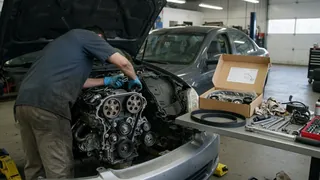
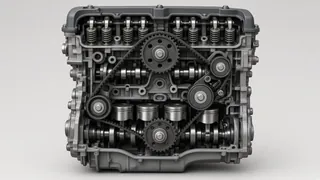
VW 2.0 TDI timing belt or chain
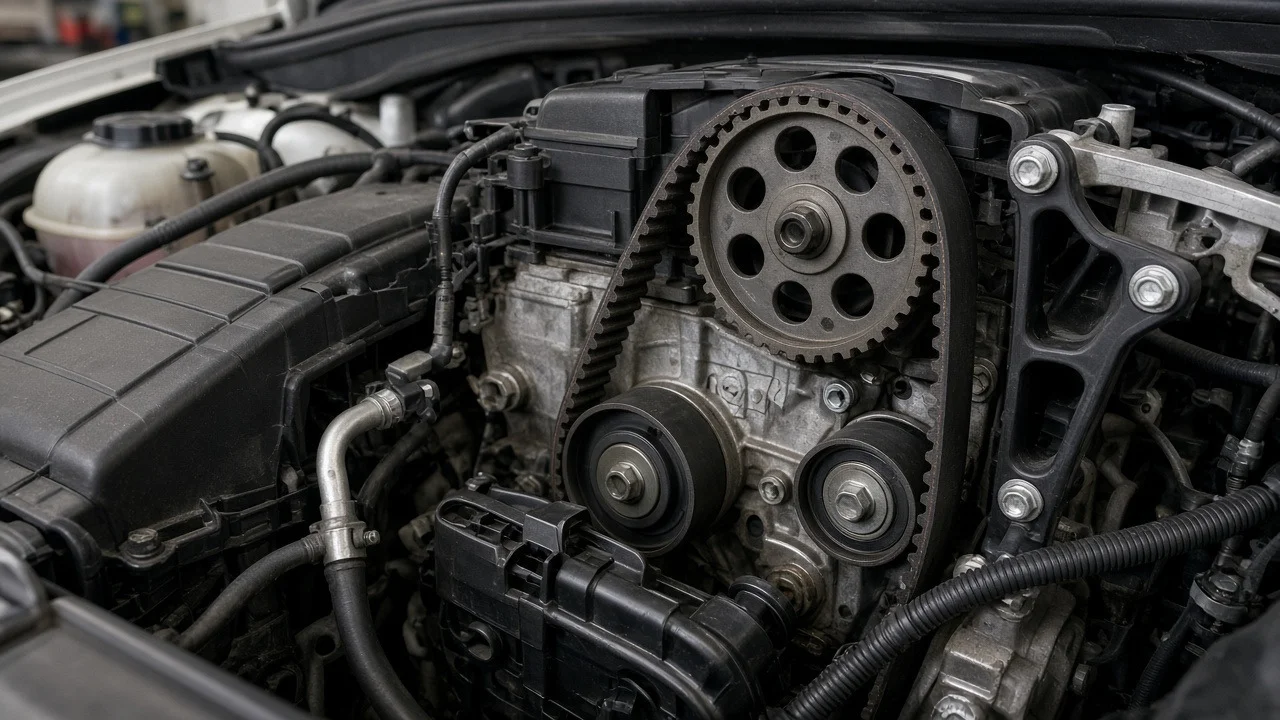
Choosing between a timing belt and a timing chain matters for maintenance planning on a VW 2.0 TDI engine. The answer depends on the specific engine generation and model year, because Volkswagen used both designs across the 2.0-liter turbocharged direct-injection diesel family. A belt is a reinforced rubber component that requires scheduled replacement, while a chain is a metal link system designed for longer service life. Understanding which design your vehicle has helps you interpret service history, diagnose noise, and budget for the correct interval.
Essential answer
Volkswagen has produced the 2.0 TDI in several distinct engine families, and the essential answer is that both timing belts and timing chains appear in this engine group. Early pump-injector units and many later common-rail versions use a timing belt that drives the camshaft from the crankshaft. The belt is often accompanied by a separate high-pressure fuel pump belt or a balance shaft module that has its own wear characteristics. Because the design changed over time, a vehicle identification number or engine code check is the practical way to confirm the installed system.
Some 2.0 TDI engines use a chain for the oil pump or balance shaft assembly while the camshaft itself is driven by a belt. In a smaller number of applications, the camshaft drive may incorporate chain-driven elements, especially where the engine has been updated for emissions or packaging reasons. The presence of a belt cover or a metallic chain housing is only a rough visual clue. A more reliable distinction comes from the service information for the exact engine configuration, since a misidentification can lead to the wrong replacement part or an incorrect maintenance expectation.