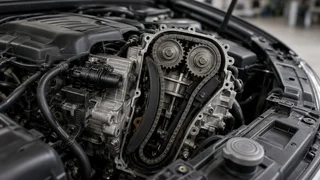
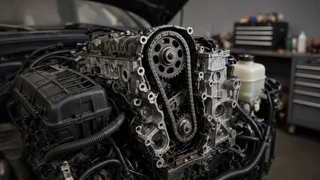
VW 1.8 and 2.0 TSI timing chain
The EA888 family of turbocharged direct-injection engines powers many Volkswagen and Audi models, and its timing drive design is a frequent ownership question. For the 1.8 TSI and the North American 2.0 TSI variants, the answer is generally that these engines use a timing chain rather than a replaceable rubber timing belt. Understanding how this chain system works, what inspection points matter, and why manufacturer-dependent differences exist can help owners interpret symptoms and plan service without guessing.
Essential answer
Most VW 1.8 TSI and 2.0 TSI engines in this family are equipped with a timing chain located at the rear of the engine, on the transmission side. This differs from earlier or smaller Volkswagen engines that commonly used a timing belt at the front. The chain drives the intake and exhaust camshafts and must remain properly tensioned to keep cam timing accurate during cold starts, acceleration, and varying oil pressure conditions.
Whether a specific 2.0 TSI engine has a chain or belt can depend on the exact engine code and model year, so a vehicle-specific check by VIN or service history is the reliable way to confirm. A timing chain is not a lifetime component in the sense of never needing inspection. Wear in the chain, guides, tensioner, or sprockets can create a rattling sound, especially on a cold start, and diagnostic trouble codes related to camshaft or crankshaft correlation may appear if timing has drifted.