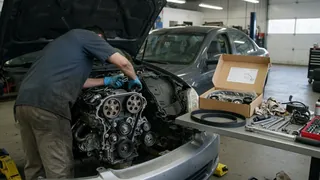
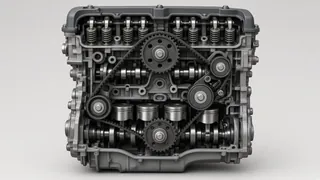
VW 1.5 TSI timing belt or chain
Owners researching the 1.5 TSI powerplant often ask whether it uses a timing belt or a chain because the answer changes how they budget for long-term upkeep. This engine family appears in several modern Volkswagen models, and the valvetrain drive type influences inspection priorities, noise characteristics, and predictable replacement work. The most useful answer depends on the exact engine code and model year rather than the 1.5 TSI label alone, since Volkswagen has produced both belt-driven and chain-driven designs in this displacement range.
Essential answer
The 1.5 TSI engines most commonly referenced in the US market are generally designed with a timing belt, not a timing chain. This layout places a reinforced rubber belt under a cover at the front of the engine, where it synchronizes the crankshaft and camshafts. The belt is a wear item that requires scheduled replacement, but it also tends to run quietly and keeps the overall engine package lighter. Confirming the specific engine code on the build sticker is still the reliable way to avoid assumptions.
A timing chain version exists within the broader 1.5 TSI family in some global applications, which is why the question cannot be settled by displacement alone. Chain systems use metal links and tensioners inside the engine, often lasting longer but producing different wear patterns and occasional cold-start noise. Because the belt-driven variant is the one most buyers will encounter, maintenance planning should start from a belt inspection and then be adjusted if the vehicle documentation identifies a different valvetrain drive configuration.