Volvo Truck Steering Angle Sensor
A steering angle sensor on a Volvo truck reports how far and in which direction the driver has turned the wheel. This information feeds stability control, electronic braking, and steering-related assistance systems. When the signal is missing, biased, or implausible, the truck may illuminate warnings, limit certain functions, or record a chassis fault. Understanding where the sensor fits into the steering column, what can disturb its signal, and how the vehicle uses the data helps narrow a diagnosis without assuming an internal failure. The same principles apply broadly, while the Volvo VNL is a common reference point for North American operators.
Essential answer
The essential question is what a Volvo truck steering angle sensor does and why it matters. It is not simply a switch that detects turning. The component measures rotational position of the steering input and transmits that value to electronic control units. Those modules compare the steering request with yaw rate, wheel speed, and lateral acceleration. When the values agree, stability and traction systems can intervene appropriately. When the angle signal is absent or inconsistent, the truck may disable functions that depend on accurate steering position because a false value could trigger unwanted brake application or incorrect stability correction.
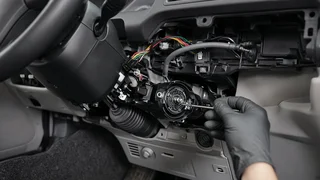
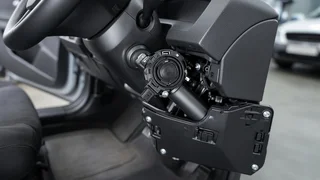
A steering angle reading is also used to evaluate whether the front wheels are following the driver's intent. If other chassis data suggests the truck is turning but the sensor reports a nearly straight position, the system records a plausibility fault. That does not automatically prove the sensor has failed. Wiring, connectors, clock spring condition, alignment-related learned values, and mounting security can all affect the output. On a Volvo VNL, the steering angle sensor may be integrated with the column assembly or installed as a separate module, so replacement and calibration steps require confirming the exact configuration for the chassis.