Volvo Steering Angle Sensor Repair
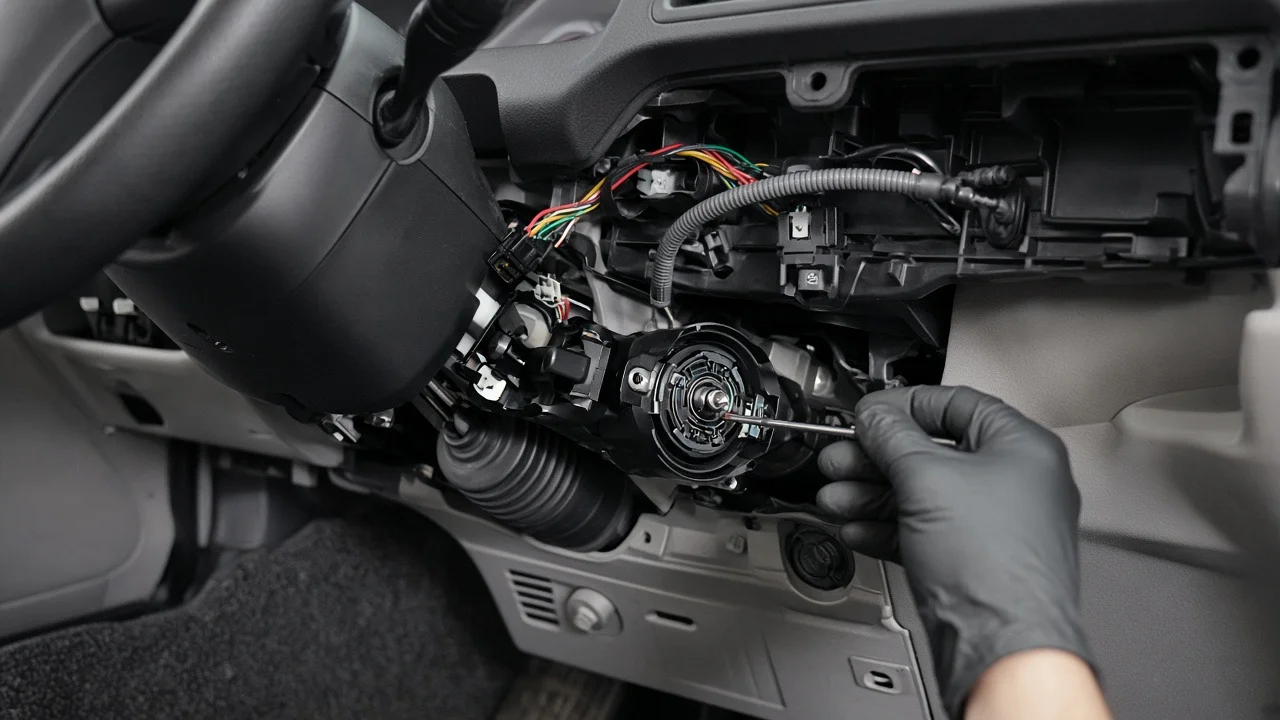
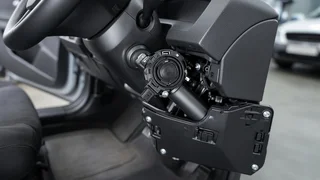
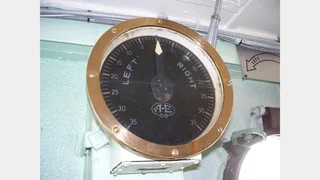
A steering angle sensor tells the stability, traction, and chassis systems how far and how quickly the driver is turning the wheel. When that signal drifts, fails, or loses calibration on a Volvo such as an XC90, the result can include warning messages, reduced steering assistance, or disabled safety functions. Repair involves confirming the sensor fault, inspecting related suspension and mounting conditions, replacing or recalibrating the part when needed, and verifying that the steering signal matches physical wheel position before returning the vehicle to service.
Essential answer
The essential answer is that Volvo steering angle sensor repair is a diagnostic and service procedure, not automatically a simple part swap. The sensor measures steering wheel position and rate of turn, usually through a combination of optical, magnetic, or contact-based elements inside the steering column or clock spring area. Because the sensor is a reference input for stability control, anti-lock braking behavior, and steering feel, a repair must address both the electronic signal and the mechanical steering system that produces it when these inputs no longer agree.
Although the phrase names a faulty sensor, the actual repair scope depends on what the diagnostic evidence shows. Loose mounting points, worn joint play, changed ride height, or an incomplete calibration can all produce a steering angle signal that is outside the expected range. On vehicles such as the Volvo XC90, the sensor may also require a specific initialization sequence with the wheels pointed straight ahead. Replacement is only appropriate after wiring, connector, alignment-related, and calibration checks support that conclusion.
Diagnosing a problem
Diagnosis begins with the observable behavior and any stored trouble codes. A steering angle sensor code is evidence of a signal mismatch, not proof that the sensor has failed. Wire damage, a weak ground, low system voltage, or an incorrect learned center position can produce a similar code. Safe diagnosis includes checking that the steering wheel moves smoothly without binding, inspecting visible connectors and harness routing, and comparing the live steering angle reading with the actual wheel direction before condemning the component.
Suspension and alignment issues can also create false or intermittent steering angle faults. After body or suspension work, for example, ride height changes may alter the relationship between the steering wheel and road wheel movement enough to confuse the stability controller. A technician may check wheel alignment, steering joint play, and mounting points before recalibration. If the vehicle pulls, the steering wheel is off-center, or multiple stability warnings appear together, professional diagnosis is the safer next step rather than repeated sensor replacement.