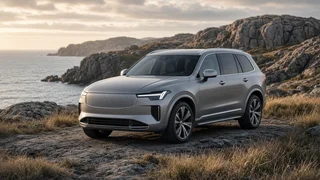
Volvo taken over by chinese
Chinese ownership of Volvo Cars often raises questions about where the vehicles are engineered and built. The automaker was acquired by Zhejiang Geely Holding Group in 2010, but the business remained operationally separate in key ways. Volvo kept its Swedish headquarters, safety focus, and model development structure while gaining access to Geely’s manufacturing resources and the Chinese market. Understanding this structure helps separate ownership from engineering control, platform sharing, and production location when evaluating a used or new Volvo.
Essential answer
Yes, Volvo Cars was taken over by Chinese interests when Zhejiang Geely Holding Group completed its purchase from Ford Motor Company in 2010. The deal transferred the passenger-car business, while Volvo Group, the separate commercial truck and construction equipment manufacturer, remained independent. For car buyers, the key point is that Chinese ownership did not erase the brand’s Swedish product-development identity, its design studios, or the safety engineering methods that defined modern Volvo model generations.
The ownership structure created a dual footprint rather than a simple relocation. Volvo continued homologating vehicles for US, European, and Chinese market specifications, and it expanded manufacturing in both Sweden and China. Powertrain configurations, body styles, and trim levels across the lineup reflect shared architectures developed with Geely, but model-specific tuning, restraint systems, and corrosion protection remain Volvo-led. Therefore, a Volvo produced after 2010 may carry Chinese investment but not necessarily Chinese origin for every component or assembly stage.