Volkswagen Eurovan Maintenance
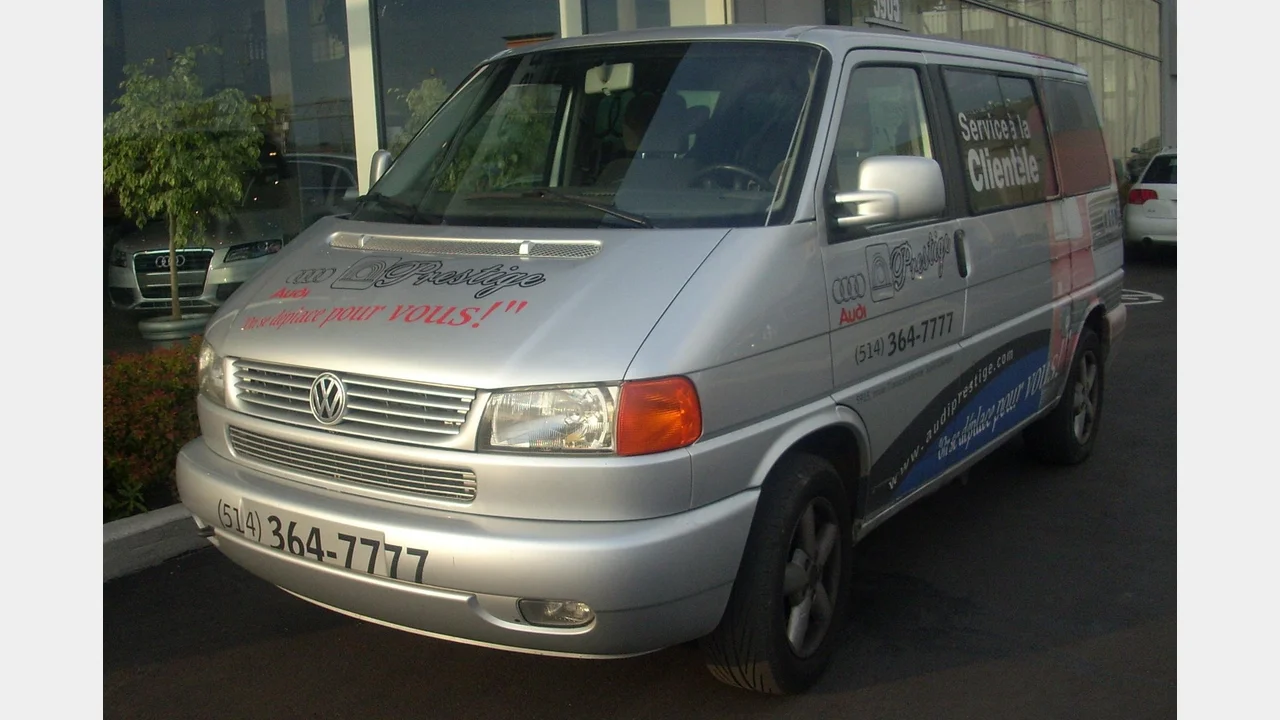
Volkswagen Eurovan maintenance rewards owners who treat service as a system of time and mileage checks rather than a reaction to breakdowns. These vans were engineered around accessible mechanical layouts, but their age, packaging, and load-sensitive components create a distinct upkeep pattern. A clear maintenance record built from the manufacturer schedule helps distinguish wear expected under normal operating conditions from emerging faults. Understanding scheduled service items and how they interact with cooling, transaxle, and accessory systems allows an owner to plan useful work instead of chasing symptoms after a trip is interrupted.
Essential answer
The essential answer is that Eurovan maintenance combines conventional oil, filter, brake, and coolant service with attention to components that suffer when a tall, heavily loaded vehicle is driven in varied conditions. Owners should expect to verify fluid condition, belt and hose integrity, brake hardware, and suspension wear on a schedule, while using the maintenance record to confirm previous work. Because these vans are older, the service interval often matters less as a countdown and more as a baseline for inspecting age-affected rubber, plastic, and electrical junctions.
The scope also includes contamination and heat-related problems that differ from a small passenger car. The rear-engine or transaxle layout, depending on configuration, concentrates stress on certain cooling lines, shift linkages, and body grounds. Scheduled service items may look simple on paper, but the real task is recognizing how time and mileage interact with load, short trips, and long periods of disuse. For many owners, establishing a realistic routine that accounts for operating conditions provides a more useful answer than assuming one fixed checklist fits every example.