Volkswagen EGR Valve Problems: Symptoms, Causes and Replacement
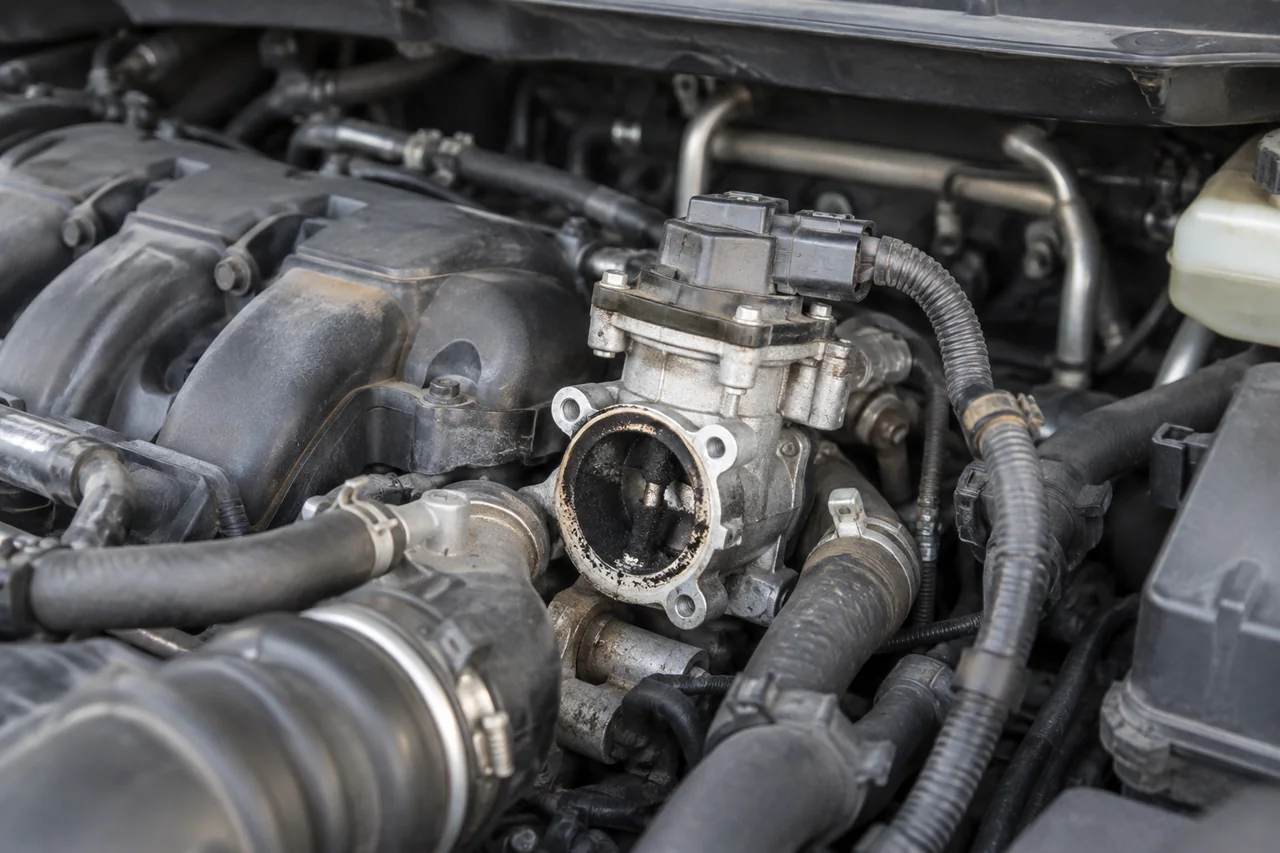
When exhaust gas recirculation stops working correctly on a Volkswagen, drivability often suffers before any part is touched. The EGR valve controls a small stream of exhaust routed back into the intake to cool combustion and reduce nitrogen-oxide emissions. Because the valve operates in a hot, sooty environment, carbon and electrical problems can develop over time. Recognizing the difference between a sticking valve, a sensor fault, and a related intake leak helps owners avoid unnecessary parts replacement and focus the diagnosis.
What the EGR Valve Does on a Volkswagen Engine
The EGR valve meters a controlled amount of exhaust gas into the intake manifold. Mixing inert exhaust with the fresh air charge lowers peak combustion temperature, which reduces formation of nitrogen oxides, a regulated pollutant. On a Volkswagen, the engine control unit opens the valve only under conditions where recirculation will not harm performance, such as light throttle cruise and moderate load.
Gasoline and diesel VW engines both use EGR, but the hardware varies. Some engines rely on an electronically driven motor with a position sensor, while older designs may use vacuum actuation. Many diesels add an EGR cooler to lower exhaust temperature before it enters the intake. Because the control strategy depends on engine speed, temperature, and load, a failing valve may behave well in some driving situations and misbehave in others.
Why VW EGR Valves Fail: Carbon, Sticking and Electrical Faults
Carbon buildup is the most common mechanical failure. Soot from combustion can accumulate on the valve pintle and its seat, preventing full closure or causing slow response. A valve stuck open may allow exhaust at idle, causing rough running, while one stuck closed blocks EGR flow and triggers a flow code. Short trips that never fully warm the engine tend to promote this soot accumulation.
Electrical faults can mimic mechanical sticking. The actuator motor can wear, the position sensor may drift, or wiring and connectors can corrode. On engines with an EGR cooler, coolant leaks or internal blockage can create symptoms similar to a bad valve, but the valve itself may be serviceable. Excess soot from a separate problem, such as a boost leak or worn injector, can also foul a healthy valve quickly.
Symptoms of a Failing EGR Valve in a VW
A failing EGR valve often turns on the check engine light. The engine may idle roughly, stumble, or stall when coming to a stop if the valve is stuck open. Hesitation or flat spots under acceleration can occur when the valve does not close on demand. In severe cases the ECU may limit power or enter limp mode to protect the catalyst or particulate filter.
Diesel VWs may show more visible smoke during acceleration if EGR flow is incorrect, and interrupted EGR can affect diesel particulate filter regeneration, though other factors also matter. Fuel economy can drop slightly because combustion conditions change. Recording when symptoms appear, such as only when cold or only under load, helps a technician narrow the cause, since many of these signs overlap with vacuum leaks, sensor faults, and boost problems.
Reading Fault Codes and Diagnosing the VW EGR System
An OBD-II scan tool can retrieve generic EGR codes that point to flow, circuit, or position problems. However, Volkswagen frequently uses manufacturer-specific codes whose exact meaning varies by engine code and model year. A code like P0401 generally indicates insufficient flow, but on a VW it may be caused by a clogged passage rather than the valve itself. Always verify the definition against the specific vehicle before drawing conclusions.
Technicians use live data to compare commanded versus actual valve position, which can reveal a slow or sticking valve. Freeze-frame data shows the operating conditions when the fault set, and related sensor readings help rule out intake leaks or faulty wiring. Replacing the valve solely because a code is stored is risky; proper diagnosis may involve checking the wiring harness, intake manifold pressure, and even the EGR cooler. Professional testing is warranted when the fault is intermittent or when basic checks are inconclusive.
Safe Observations Owners Can Make Before a Repair Visit
Before a shop visit, owners can note when the check engine light appears and under what driving conditions symptoms occur. Saving the exact trouble codes from a handheld scanner gives the technician a starting point. Recent repairs, such as intake manifold or turbo work, are important context because they may have disturbed EGR piping or connectors.
With the engine off and fully cool, a visual inspection can look for obviously loose electrical connectors, cracked vacuum hoses, or signs of coolant leakage near the EGR cooler. Exhaust components remain extremely hot after driving and should never be touched. Removing the valve, cleaning it with chemicals, or probing electrical circuits are jobs for a qualified technician. If the warning light returns or the car enters limp mode, prompt professional diagnosis is the safest course.
VW EGR Valve Cleaning vs Replacement: What to Expect
A shop may recommend cleaning when the valve is electrically sound but coated with soft carbon. Heavy baked-on deposits or internal electrical failure usually make replacement the better long-term fix. Because Volkswagen uses many EGR valve variants, the replacement part must match the vehicle's VIN and engine code precisely; an incorrect valve may not fit the mounting or may confuse the ECU.
Some VW engines require an adaptation or basic setting procedure with a scan tool after a new valve is installed, so the ECU learns the new valve's travel limits. A thorough repair visit includes confirming the root cause before replacement, clearing stored codes, road testing to verify operation, and rechecking for any returning fault. This final verification helps ensure the new valve is not masking a wiring or intake problem.
Reducing Repeat EGR Problems and Staying Emissions Compliant
Regular longer drives at operating temperature help burn off soft carbon deposits and reduce EGR fouling. Engines that rarely reach full temperature, such as those used for very short city trips, tend to accumulate soot faster. Fixing underlying issues that create excess soot or oil vapor, such as a leaking turbo seal or worn piston rings, protects a new valve from rapid recontamination.
Removing, blocking, or disabling the EGR system is not a legitimate repair. It can increase nitrogen-oxide emissions, cause permanent fault codes, and may lead to failing an emissions inspection. Volkswagen's maintenance schedule for the specific vehicle should be followed, including air filter and oil changes, because clean intake air and proper engine oil reduce the particulate load that reaches the EGR valve.