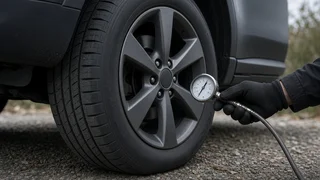
Victor Tire Pressure Gauge Review

Choosing a tire pressure gauge often comes down to how reliably a small handheld tool converts a brief burst of air at the valve stem into a readable number. When shoppers look at a Victor tire pressure gauge, they usually want to know whether it is worth adding to a glovebox, trunk kit, or garage drawer. The useful way to evaluate this kind of product is to focus on general measurement behavior: range, accuracy, ease of connection, display clarity, calibration stability, and unit selection. These factors matter more than brand alone because a readable but inconsistent gauge can lead to incorrect inflation decisions, uneven tire wear, or reduced wet-weather traction. A commercial review should therefore narrow the practical choice to how the tool handles ordinary passenger-vehicle pressures and whether it supports quick repeat checks.
The direct answer
A Victor tire pressure gauge can be a practical choice when the design supports the pressure range that matches typical passenger cars, light trucks, and SUVs, but the purchase decision should depend on verified specifications for the exact model and condition stated by the retailer or manufacturer. The generic brand name alone does not guarantee a particular accuracy rating, battery configuration, or durability. Where no confirmed test data or part number is available, the direct answer is limited: the gauge is worth considering for routine inflation checks if it is listed for the needed range, feels secure on the valve stem, and returns repeatable readings during use. Condition changes matter, including an aged battery, a worn chuck seal, or a display damaged by moisture.
Buyers researching a Victor digital tire pressure gauge should treat the review question as a shopping comparison rather than a search for a single universal verdict. The strongest practical signal is repeatability: taking two or three measurements at the same tire should return nearly the same value after allowing the tire to settle and the chuck to seat fully. A unit that drifts after repeated use or gives inconsistent numbers at the same pressure is less useful even if the screen looks precise. For most owners, selecting a gauge with a clearly marked psi range, a backlit or high-contrast display, and a comfortable angled chuck will matter more than a small difference in published accuracy, because tire pressure recommendations are themselves ranges rather than one exact number.