Viair Tire Pressure Gauge Review
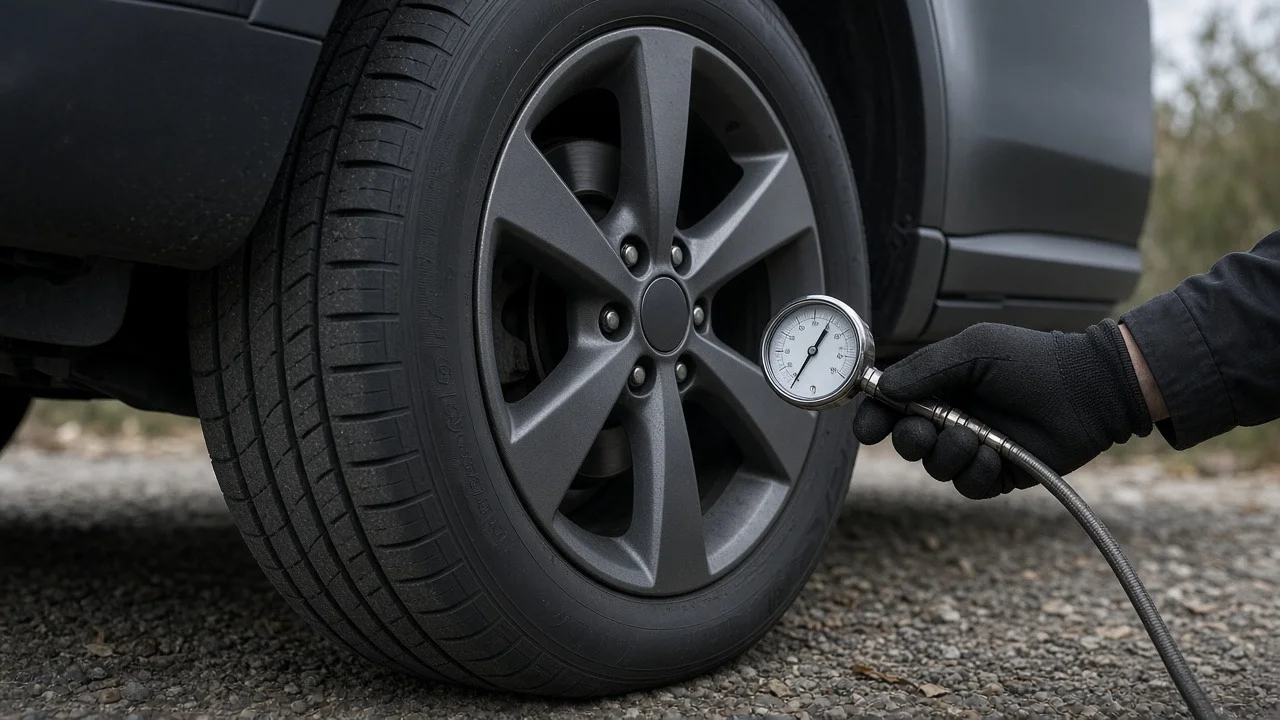
A reliable tire pressure reading matters before towing, off-roading, or checking a slow leak overnight. A Viair tire pressure gauge review should clarify how the tool behaves on a valve stem, how repeatable its readings are, and when a digital display helps in low light or tight wheel positions. Because pressure changes with tire temperature and load, the useful question is not only whether the gauge works, but whether its connection, unit selection, and accuracy fit the inflation routine you already use with a compressor, inflator, or portable air source.
The direct answer
A Viair tire pressure gauge, including a digital version, is best understood as a compact measurement tool intended to give a quick, repeatable reading at the schrader valve. The most important condition is stable seating. Pressing the chuck firmly and squarely onto the valve stem reduces the small air escape that can make a displayed value drift or read a few psi low. A digital gauge generally removes the guesswork of reading a tiny needle, but the reading is only useful if the connection is held until the number settles.
When comparing these gauges, focus on measurement range, displayed units, and whether the screen remains readable at night or in bright sun. Most passenger and light-truck pressures fall well within a typical gauge range, yet a reading near the top of a narrow range may be less reliable than one in the middle of a broader scale. Check that the readout can switch between psi, bar, or kPa if needed. Accuracy also depends on keeping the sensor port clean, since dirt or moisture from the valve can alter the small air pulse the gauge samples. Confirm a repeat reading after a few seconds; a stable result is a better basis for adjusting pressure than a single quick tap.