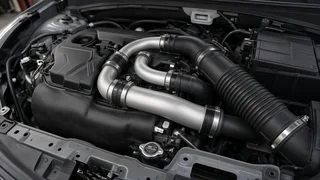
Veloster Turbo intercooler resonator delete
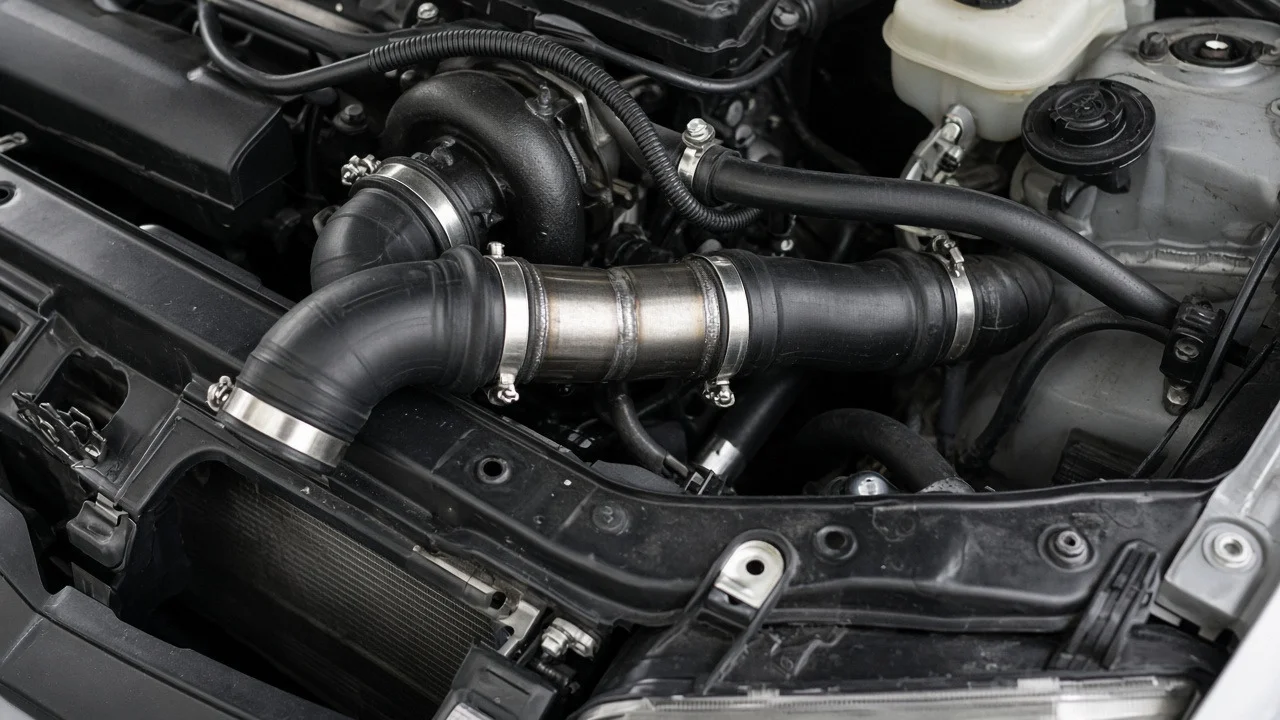
Owners looking into a Veloster Turbo intercooler resonator delete are usually chasing a change in charge-air behavior, not a major power overhaul. The intercooler path between the compressor outlet and the intake manifold includes a plastic resonator chamber on some configurations. Removing that chamber and installing a straight pipe alters how pressure waves move through the system. The result can affect sound and perceived throttle response, but the change should be understood as a modest modification with several practical trade-offs.
Essential answer
A Veloster Turbo intercooler resonator delete replaces the factory resonator section in the charge pipe with a smooth pipe, removing a chamber designed to reduce certain intake noise. The resonator is not the intercooler core itself; it sits in the hose connection path between the compressor outlet and the intercooler. Deleting it is primarily an acoustic and packaging change. Boost pressure may feel slightly different because the air path becomes more direct, but the modification does not by itself retune the engine.
The appeal is usually sharper turbo sound and a cleaner pipe run. The factory chamber can hold a small volume of air, so removing it may change how quickly pressure builds in that section. However, charge-air temperature and overall cooling remain the intercooler’s job. A delete pipe does not add cooling capacity. It also does not solve oil contamination in the intake tract. If oil residue is present, the source is usually blow-by from the PCV system rather than the resonator itself.