Vehicle Type Code: What It Means and How It Differs From Body Style and Chassis Codes
A vehicle type code is a short designation that places a vehicle in a category. The tricky part is that the phrase covers several different systems. Depending on who is reading it, a vehicle type code can mean a regulatory class such as passenger car, multipurpose passenger vehicle or truck. It can also mean an abbreviation on a title or registration card, or a manufacturer's internal chassis or platform designation. Knowing which system you are looking at is the key to reading the code correctly.
The Short Answer
In the US, the most common meaning is the broad federal category assigned to a vehicle. That category shows up in VIN decoding tools and in compliance labeling. State motor vehicle agencies also use their own type and body style abbreviations on titles and registrations. Separately, automakers and enthusiasts use type codes for the engineering designation of a specific model generation and body variant. These systems overlap in what they describe, but they are not interchangeable. A code that is meaningful in one context may mean nothing in another.
Four Things People Mean by Vehicle Type Code
System | Who assigns it | What it describes | Where you see it; Federal vehicle type | Manufacturer, following federal definitions | Regulatory class such as passenger car, multipurpose passenger vehicle, truck, bus, trailer, motorcycle or low-speed vehicle | VIN decoder results, certification and compliance paperwork; VIN descriptor information | Manufacturer | Model line, series, body type, engine, restraint system and similar attributes, encoded in manufacturer-specific characters | VIN characters 4 through 8; State title and registration codes | Each state agency | Vehicle class for registration and fees, plus a body style abbreviation | Title, registration card, insurance and law enforcement records; Manufacturer type or chassis code | Automaker | A specific model generation and body variant within a platform | Service literature, parts catalogs, enthusiast and repair communities
Federal Vehicle Type: The Regulatory Category
US federal safety regulations define vehicle classes, and every road vehicle sold here is certified as belonging to one of them. The main classes are passenger car, multipurpose passenger vehicle (MPV), truck, bus, trailer, motorcycle and low-speed vehicle. Some vehicles are also identified as incomplete when they leave the factory to be finished by another company.
This category matters more than it might seem. The class determines which safety standards apply, and it can influence how a vehicle is treated under fuel economy rules. Many SUVs and crossovers are classified as multipurpose passenger vehicles rather than passenger cars. The reasons relate to design features such as ground clearance, available all-wheel drive or the way seating and cargo space are arranged. So two vehicles that seem similar in passenger space and everyday use can sit in different regulatory classes.
Free VIN decoding tools, including the one maintained by the federal safety agency, usually report this category in a field labeled vehicle type. If you have a VIN and want the federal class, that is the quickest place to look.
How the VIN Carries Type Information
The 17-character VIN does not contain one universal type character. Type-related information is spread across different sections:
Characters 1 to 3 (World Manufacturer Identifier): identify the manufacturer and region. Some manufacturers use this section, especially the third character, to separate vehicle types such as cars, trucks or multipurpose vehicles. This is not a universal rule. Characters 4 to 8 (Vehicle Descriptor Section): describe the vehicle's attributes. Federal rules require this section to encode characteristics such as model line, series, body type, engine type and restraint system. Trucks and MPVs also have weight-rating information encoded here. Each manufacturer decides which characters mean what. Character 9: a check digit used to detect transcription errors. Characters 10 to 17: model year, assembly plant and production sequence.
Because the descriptor section is manufacturer-specific, the same character in the same position can mean different things for two different brands. Do not try to read a body type or vehicle configuration straight from the VIN without a decoder or the manufacturer's own decoding information for that model year.
State Title and Registration Codes
State agencies record a vehicle class for registration purposes and a body style abbreviation for identification. The class affects registration fees, plate type and sometimes inspection requirements. Classes include passenger, motorcycle, truck, trailer and commercial. The body style field describes the vehicle's shape and door configuration.
Many states use abbreviations aligned with the vehicle style codes used in law enforcement records. You will often see 2D for a two-door, 4D for a four-door, CV for a convertible, SW for a station wagon, PK for a pickup and VN for a van. Codes and their exact meanings vary by state, however. A crossover might be recorded as a station wagon, a utility vehicle or something else, depending on the agency and the source data. If a code on your title is unclear, your state agency is the authority on what it means.
Errors in this field are not unusual. They can cause friction with insurance quotes, registration renewals or a sale. If your title lists a body style that does not match the vehicle, ask your state agency how to correct it.
Manufacturer Type Codes, Chassis Codes and Platforms
Automakers assign internal codes to each model generation, and often to each body variant within it. These codes are widely used by mechanics, parts suppliers and owners. A model name like "3 Series" or "C-Class" spans many years and very different cars, while the chassis code pins down exactly which one is meant.
Some brands build body style into the code itself. Mercedes-Benz uses a letter prefix for the body style. For the C-Class generation coded 205, W205 is the sedan, S205 the wagon, C205 the coupe and A205 the cabriolet. BMW's 3 Series generation of the mid-2000s to early 2010s used separate numbers for each body: E90 for the sedan, E91 for the wagon (Touring), E92 for the coupe and E93 for the convertible. Other manufacturers use a single generation code for all body styles, or give internal codes that are rarely used outside the company.
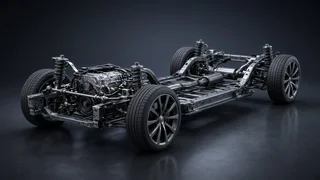
A platform is related but broader. It is the shared engineering base, including the floor structure, suspension layout and other core hardware. One platform can underpin several models, sometimes across different brands and vehicle types. A platform code tells you about shared engineering. A type or chassis code tells you which specific model and body variant you have.
How These Codes Differ From Body Style and Model Name
Body style describes shape and access: sedan, hatchback, wagon, coupe, convertible, pickup, van, SUV. It tells you about door count, passenger space and cargo access, but nothing about regulatory class or engineering lineage. Model name is the marketing name. It can carry over across generations that share little hardware. Federal vehicle type is a legal classification that decides which rules apply. It does not always match how a vehicle is marketed or used. State type and body codes are administrative records for registration, fees and identification. They differ from state to state. Manufacturer chassis or type codes are engineering identifiers. They are the most precise way to match parts, service procedures and specifications to a particular generation and body variant.
Where to Find the Code for Your Vehicle
For the federal class: run the VIN through a reputable decoder and look for the vehicle type field. The certification label on the driver's door jamb also states that the vehicle meets the standards for its class. For title and registration codes: check your title or registration card. Contact your state agency if an abbreviation is unclear. For the manufacturer chassis code: check the owner's manual, service literature, parts catalog listings or a dealer service department. Owner communities for a given brand usually know their codes well. For body type and configuration details: the VIN descriptor section encodes them, but you need a decoder or the manufacturer's information for that model year to read them correctly.
Why the Right Code Matters for Ownership
Which code you need depends on the task. For buying parts or following a repair procedure, the manufacturer chassis code and the full VIN are the most reliable references. Parts can differ between body styles, engines or mid-cycle updates within the same model name. For registration, insurance and resale paperwork, the state type and body style entries must be accurate and consistent with the VIN. For understanding which safety and emissions rules a vehicle was built to, the federal class is the reference.
Comparing vehicles for your own ownership needs is a different exercise. Type codes are a starting point, not a substitute for looking at the vehicle itself. Classification does not tell you how passenger space, cargo access or capability under your operating conditions will work out in daily use. A vehicle classed as an MPV may have less usable cargo room than a wagon classed as a passenger car. So treat any type code as a label, and judge the vehicle configuration on its actual dimensions, layout and equipment for the specific model year and trim.