Valvoline ULV transmission fluid 888460
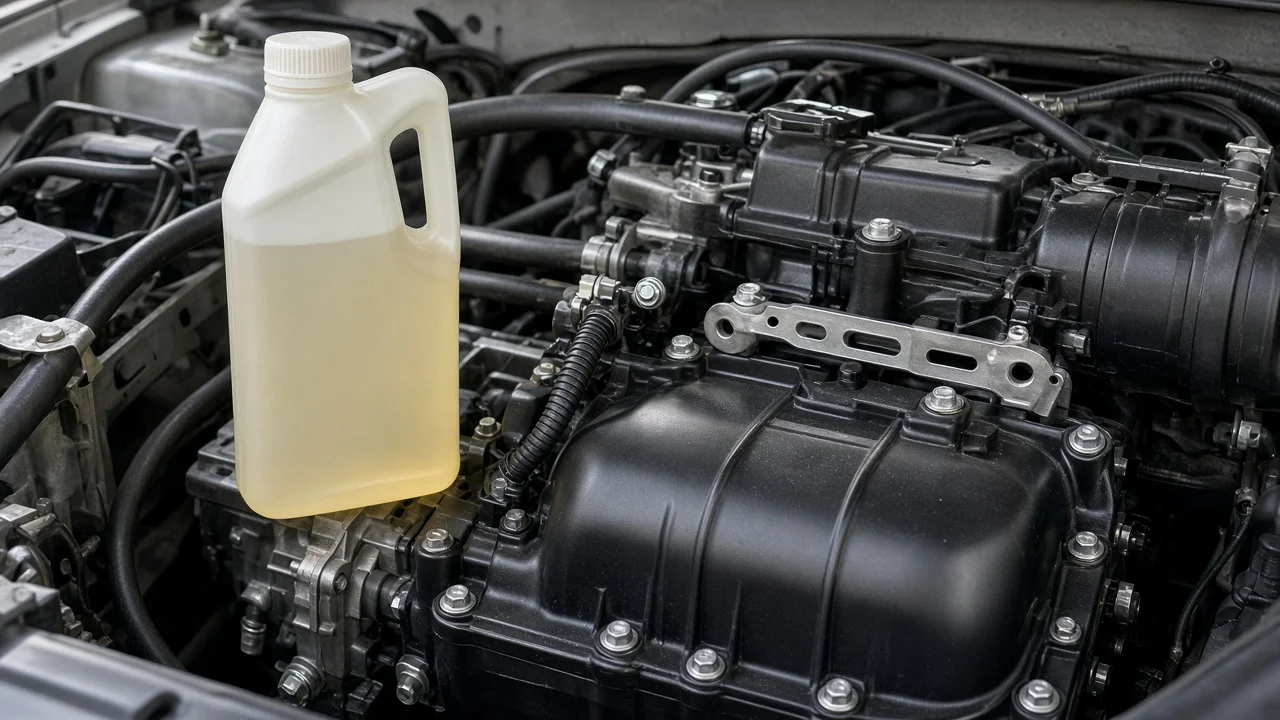
Valvoline ULV transmission fluid 888460 is the part number many owners encounter when researching a low-viscosity automatic transmission fluid for late-model vehicles. The immediate question is whether this fluid matches a particular transmission type and what the number actually represents. Because automatic transmissions rely on precise hydraulic pressure, friction modification, and heat control, the fluid specification matters more than branding. Shift behavior, service history, and any stored diagnostic codes can all be influenced by fluid condition. Buyers should therefore treat the part number as one piece of a fitment decision rather than proof that the product suits every transmission.
The direct answer
Valvoline ULV transmission fluid 888460 is understood as an ultra-low-viscosity automatic transmission fluid. ULV fluids are generally formulated for modern transmissions that are calibrated around thinner fluid to reduce parasitic drag and improve fuel economy. The direct answer for a shopper is that the number identifies a specific Valvoline product container or SKU, not a universal approval. Fitment still depends on the transmission type and the fluid specification required by the vehicle manufacturer. A vehicle owner should confirm that the stated specification appears in the owner’s manual or on a transmission fluid application guide before purchasing.
The commercial intent behind this search usually means the reader is deciding whether to buy the fluid for a drain-and-fill or a more complete service. Since automatic transmission fluid also acts as a hydraulic fluid and a heat-transfer medium, using a formulation that is close but not correct can gradually alter torque-converter behavior and shift timing. The safer interpretation is that the number is the searchable product identifier, while the real compatibility test is the fluid specification printed on the label and the transmission’s documented requirement. Confirming fitment before purchase avoids a costly mismatch that may not produce an immediate warning light but can affect long-term shift quality.