UTV Safety Inspection: When It Applies and What Gets Checked
Most UTVs (utility task vehicles, also called side-by-sides) used only off-road do not need a periodic state safety inspection. An inspection usually comes into play when an owner wants to register a UTV for street use, title a vehicle that lacks complete paperwork, or bring one in from another state. Requirements are set state by state, and sometimes locally, so the same machine can face no inspection in one state and a detailed equipment check in another. This guide explains what a UTV safety inspection generally involves, how it differs from a passenger-car inspection, and what to do before booking one.
The Short Answer
Whether your UTV needs a safety inspection depends on three things: the state where it will be registered, how you intend to use it (off-road only or on public roads), and the state of its paperwork. Off-highway registration programs typically rely on a title or manufacturer's certificate of origin and a registration fee rather than a mechanical inspection. Street-legal registration, where a state allows it, is where an inspection or equipment certification is most often required. Check your state's motor vehicle agency or off-highway vehicle program for the rules that apply to you.
Three Things People Mean by "UTV Safety Inspection"
The phrase covers several different checks, and they are easy to confuse.
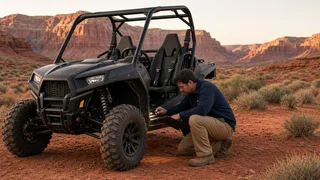
State equipment or roadworthiness inspection: an official check, usually needed for street-legal registration, confirming the UTV carries the equipment the state requires for road use. Vehicle identification (VIN) inspection: a check that the vehicle identification number on the frame matches the title or ownership documents. It is often required for out-of-state transfers, missing titles, rebuilt machines or vehicles without clear ownership history. Pre-ride or maintenance inspection: an owner-performed or shop-performed check of tires, brakes, steering, fluids, belts and restraints before riding or at service intervals. It has no legal status but is the inspection that matters most for day-to-day safety.
When a State Inspection Is Likely to Apply
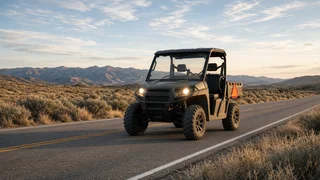
A state inspection is most likely when you are converting a UTV for road use and registering it as street legal. Many states either prohibit UTVs on public roads, allow them only on designated routes or roads below a set speed limit, or allow full registration once specific equipment is installed and verified. Where verification is required, it may be done by a licensed inspection station, a law enforcement officer, or a motor vehicle agency inspector, depending on the state.
A VIN inspection may be required even for off-road registration if the machine is coming from another state, was purchased without a title, or has been substantially rebuilt. Local rules can add further conditions, such as municipal ordinances that permit UTVs on certain streets.
Typical Inspection Criteria for Street-Legal UTVs
Inspection criteria differ by state, so treat the list below as the kinds of items commonly checked rather than a universal standard. Your state's published requirements are the definitive list.
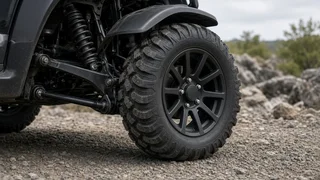
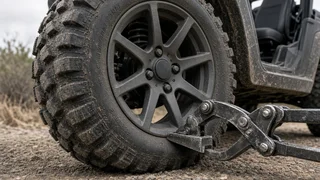
Lighting: headlights with high and low beam, taillights, brake lights and turn signals. Reflectors and license plate light: rear reflectors and illumination for the plate. Mirrors: rearview mirror and, in many cases, side mirrors. Horn: an audible warning device that works from the driver's seat. Windshield: in some states a windshield is required, sometimes with specific glazing; in others eye protection may be an alternative. Brakes: a functioning service brake and a parking brake. Tires: tread condition and, in some states, tires rated for road use (DOT-marked) rather than off-road-only tires. Steering and suspension: no excessive play, damaged components or loose fasteners. Seat belts and occupant restraints: present and functioning for each seat. Speedometer and odometer: sometimes required so the vehicle can be operated within posted limits. Exhaust: intact system with a muffler and, where applicable, a spark arrestor, without excessive noise. Vehicle identification: a legible VIN that matches the paperwork.
Vehicle Identification Checks
The VIN is usually stamped on the frame and may also appear on a label. An inspector compares it with the title, the manufacturer's certificate of origin, or a bill of sale. Problems arise when the number is damaged, painted over, or does not match the documents. If the frame has been replaced or the VIN cannot be read, the state may require additional documentation before it will title or register the vehicle. Clean the VIN area and bring all ownership papers to avoid delays.
Do UTVs Need an Emissions Test?
State emissions test programs are generally built around on-road cars and light trucks, and off-highway vehicles are typically outside their scope. A street-legal UTV may be treated differently depending on how the state classifies it, so the answer is not uniform. Separately, UTVs sold in the US must meet federal and, in California, state emissions certification for off-highway engines at the point of sale. That certification is a manufacturer requirement, not an owner inspection, but it can affect whether a vehicle can be registered in a given state.
Test Certificates, Stickers and Retests
If the UTV passes, the state usually issues proof in the form of a test certificate, signed inspection form or sticker, which you then present when registering. Keep a copy, since some registrations require proof to be submitted within a set period after the inspection.
If it fails, the inspector should list the defects. You correct them and return for a retest. Some states allow a retest at the same station within a limited window and may only recheck the failed items; others treat it as a new inspection. Ask about the retest policy at the time of the first inspection.
How a UTV Inspection Differs From a Car Inspection
Aspect | Passenger car inspection | UTV safety inspection; When required | Periodically in states with inspection programs | Usually once, at street-legal registration or title transfer, if at all; Baseline equipment | Built to federal motor vehicle safety standards for road use | Built as an off-highway vehicle; road equipment is often added aftermarket; Main focus | Wear and condition of existing systems | Presence and function of required road equipment, plus condition; Emissions | Often included in designated areas | Generally not part of the inspection; Identification check | Routine VIN match | VIN match, often with closer scrutiny of origin documents
The key distinction is that a car is designed for public roads from the factory, while a UTV is not. Most UTVs are designed to voluntary off-highway standards rather than the federal standards that apply to cars, so a street-legal inspection confirms that the added equipment meets the state's minimums. Passing an inspection does not make a UTV equivalent to a car in crash protection.
How to Prepare
Confirm your state allows street registration of UTVs and read its equipment list before buying parts. Gather the title or certificate of origin, bill of sale and proof of insurance if required. Install street-legal kits fully and test every light, signal and the horn. Check tires against your state's road-use requirements. Inspect brakes, steering, belts and restraints, and fix leaks or loose parts. Clean the VIN so it is readable. Ask where inspections are done and what the retest terms are.
Bottom Line
A UTV safety inspection is usually a gateway to street-legal registration or clean titling rather than a recurring requirement. Identify which type of inspection applies to you, check your state's specific criteria, and prepare the equipment and paperwork in advance. Whatever the legal requirement, a regular pre-ride check remains the most practical safety inspection for any side-by-side.