Used Japanese cars in Kenya
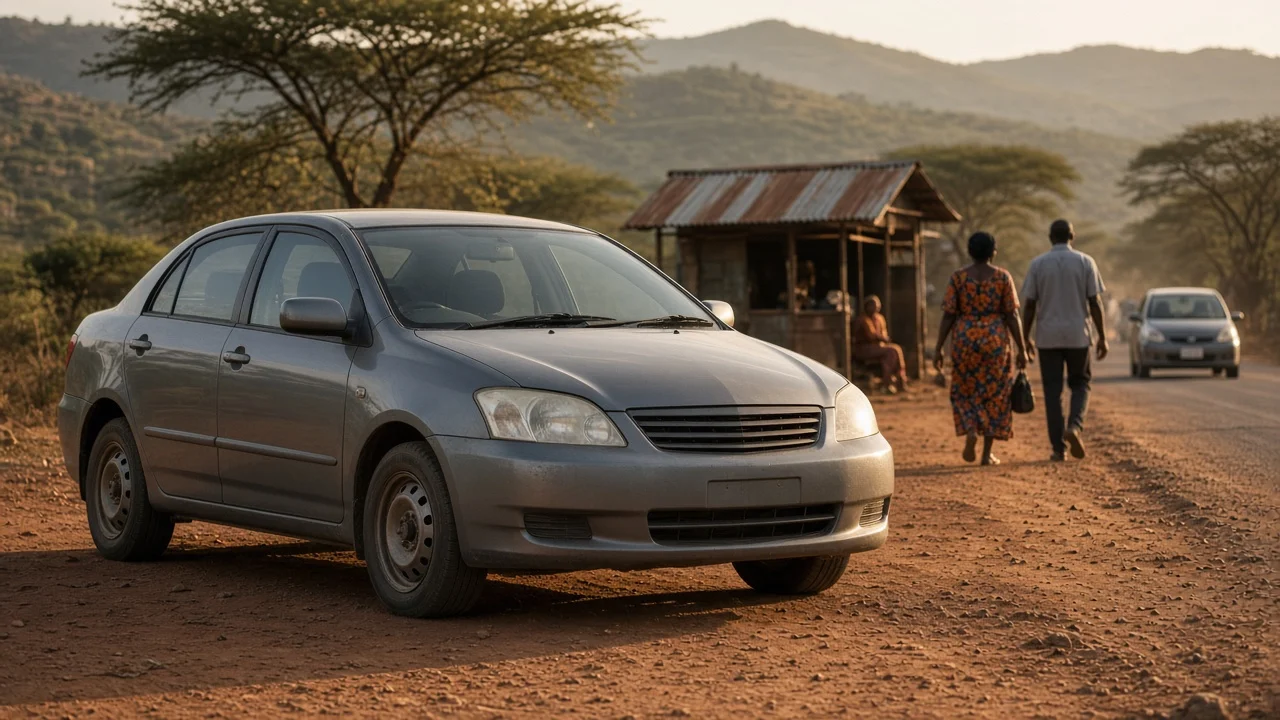
Choosing a used Japanese import in Kenya means weighing durability, parts access, and local road conditions rather than focusing on showroom appeal alone. The phrase “used Japanese cars in Kenya” describes a practical ownership path where buyers inspect auction history, model year, body configuration, and powertrain options before paying. Because many examples arrive through established import channels, condition varies widely even among similar nameplates. A careful selection reduces the chance of hidden corrosion, tired suspension, or a drivetrain that struggles with high-altitude routes and unpaved sections. The right vehicle matches the intended market segment and equipment level to the buyer’s daily needs without paying for unnecessary complexity.
The direct answer
The direct answer is that a well-chosen Japanese used car can be a dependable purchase in Kenya when the evaluation focuses on structural condition, engine health, and service history instead of mileage alone. Vehicles built for varied markets share basic engineering, but regional availability affects which body configurations and equipment levels appear in local stock. A compact wagon or four-cylinder SUV usually offers a workable balance of fuel consumption and ground clearance for mixed tarmac and dirt driving. Confirming the model year narrows expectations for rust protection, emissions hardware, and electronic systems that may be easier or harder to support locally.
Powertrain options shape running costs and repair complexity. A naturally aspirated gasoline engine is often simpler to service in areas with limited specialist tools, while a turbo diesel may suit long-distance hauling if clean fuel and experienced technicians are available. The body configuration matters just as much: a sedan works well on smooth commutes, while a hatchback or wagon adds cargo flexibility. Buyers should connect these choices to the vehicle’s stated market segment and verify that the actual equipment level matches what is being advertised, since imported trims can differ significantly from locally known specifications.