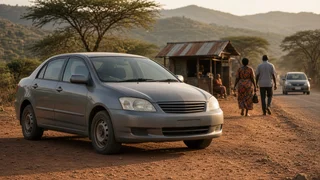
Used Japanese cars in Kenya
Choosing a used Japanese car in Kenya means weighing model year, body configuration, market segment, powertrain options, equipment level, and regional availability against actual condition and ownership costs. The right purchase is not simply the newest or cheapest unit; it is the example whose service history, structural soundness, and parts access match your intended roads and duties. This guide explains what to inspect, how to interpret common findings, and which trade-offs matter before money changes hands.
The direct answer
Start by narrowing the broad category into a specific market segment and body configuration that suits your regular route. A front-wheel-drive compact hatchback with an economical four-cylinder powertrain often provides lower fuel and maintenance burdens for urban commuting, while a body-on-frame SUV or pickup may tolerate rougher county roads but brings higher running weight and consumption. The direct answer is therefore conditional: select the vehicle class first, then evaluate the individual unit.
Within any shortlist, treat condition evidence as more important than equipment level or model year alone. Check for structural rust, mismatched paint texture, tired suspension response, and fluid leaks rather than assuming age fully predicts reliability. Because sales channels vary widely, confirm regional availability of common wear parts such as filters, brake components, and suspension bushings before deciding. A clean example of a widely supported model is usually the safer immediate purchase than a rare trim with uncertain service access.