Used Auto Glass Replacement: What to Check Before You Buy
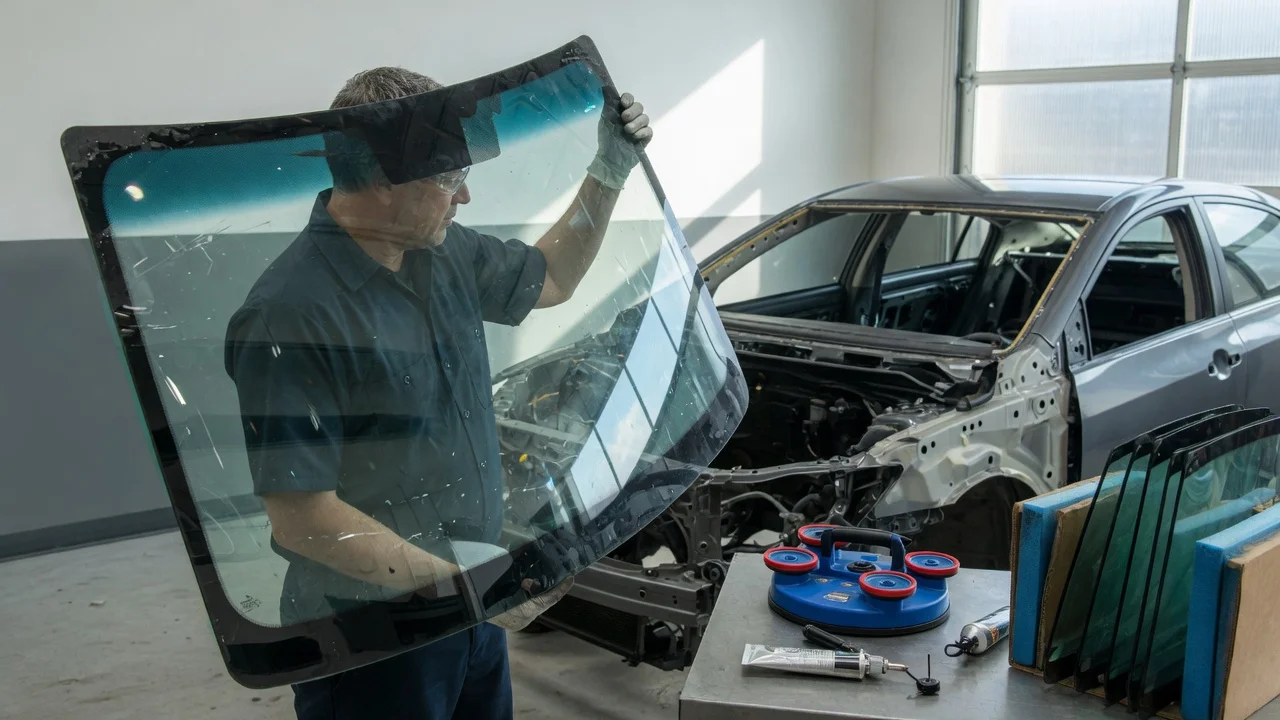
Immediate Answer
Used auto glass replacement can be a workable way to reduce cost, but it is only suitable when the glass matches your vehicle exactly and is in serviceable condition. The answer changes materially if the glass has delamination, edge damage, deep scratches within the driver’s line of sight, or stress cracks. For windshields, used glass is generally a weaker choice than new glass because the original bonding surface may have been damaged during removal.
When Used Glass Makes Sense
A used piece is most viable for side windows, rear windows, quarter glass, or vent glass. These parts are often removed intact from salvage vehicles and do not carry the same structural loading as a windshield. Used windshield glass should be treated with more caution because it is part of the vehicle’s occupant restraint system during a collision.
Vehicle Compatibility Checks
Compatibility depends on model year, market, body style, trim, and sometimes powertrain. A windshield from a same-generation vehicle may still differ in sensor brackets, rain sensor mounts, heating elements, or camera alignment areas. Confirm the part number or the original equipment marking before purchase. For model years that offered acoustic glass, heated wiper park areas, or heads-up display, the replacement glass must have the same features or the related systems may not work correctly.
Condition Inspection Points
Check the edges for chips or cracks that could spread during installation. Look for delamination, which appears as cloudy or milky areas between layers of laminated glass. Inspect the driver’s line of sight for deep scratches, pits, or sandblasting that create glare at night. Verify that any heating grid or antenna lines on rear glass are unbroken. Confirm the presence and condition of mounting brackets, hinges, or clips if they were not removed with the glass.
Windshield Installation Risk
A used windshield has already been cut out of one vehicle. The removal process can damage the inner layer or leave invisible stress points near the edges. Even small edge flaws can turn into cracks after installation when the vehicle body flexes. If the used windshield is not perfectly intact around its full perimeter, do not install it.
Seals, Adhesives, and Trim
Never reuse old urethane adhesive. The bonding surface must be cleaned and a new adhesive bead applied according to the adhesive maker’s instructions. Used trim, moldings, and cowl panels should be checked for brittleness. If the original part was removed with a damaged seal or missing trim clips, budget for new small parts before installation.
Gaps in Available Information
The supplied evidence does not include pricing, warranty terms, specific salvage-yard availability, or installation labor rates for a particular region. It also does not specify model-by-model interchange numbers. Those details must be confirmed with the seller and installer for your exact vehicle.
Practical Next Step
If you are considering used glass, ask the seller for the part number, original vehicle details, condition photos of all edges, and whether the glass includes any attached sensors or brackets. Then have a qualified installer inspect the piece before any work begins. If any edge damage or delamination is present, choose new aftermarket or original equipment glass instead.