Universal self-adhesive D-shape car door seal strips
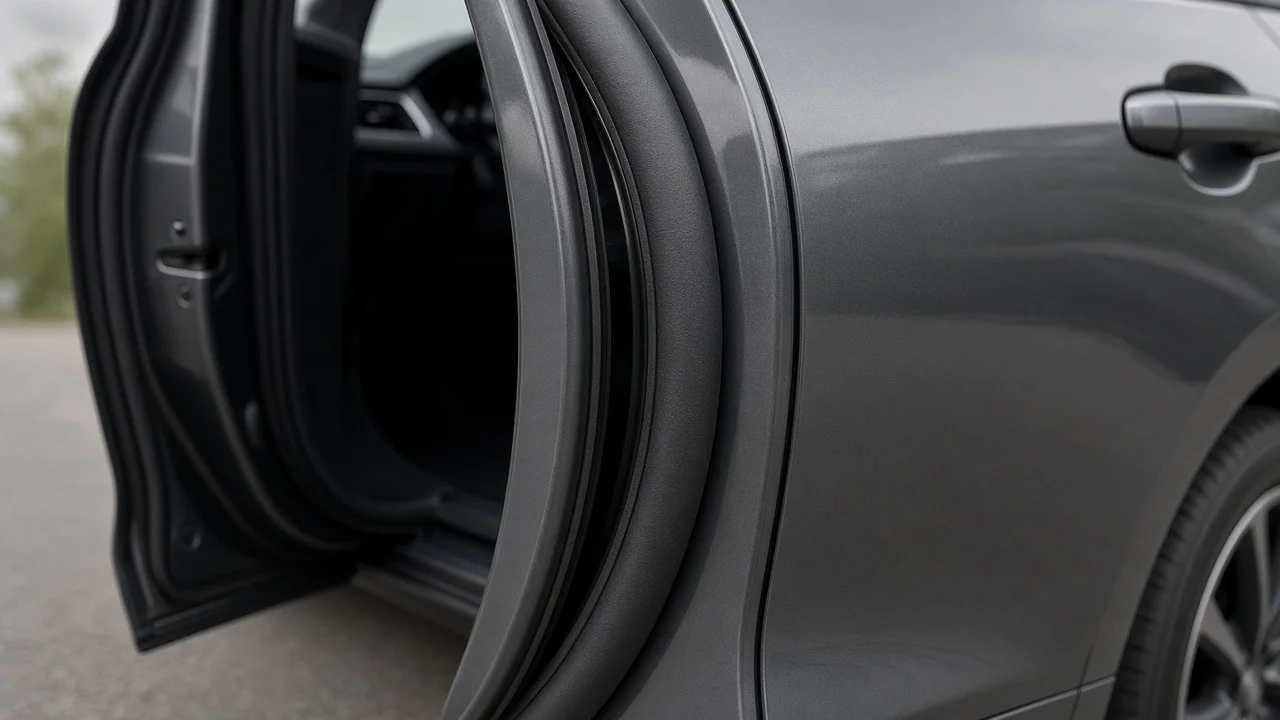
Worn or compressed door weatherstripping lets wind noise, dust, and water ingress reach the cabin, yet replacing an entire factory seal is often unnecessary. A universal self-adhesive D-shape car door seal strip offers a practical way to restore the contact between the door edge and body opening. These flexible rubber profiles suit many vehicles because they are sold by length rather than by a single vehicle specification. The key is choosing a cross-section and adhesive system that can hold up to repeated door closing while matching the existing gap. Understanding how the bulb compresses against the frame explains where the improvement comes from and why surface preparation decides whether the strip stays in place.
The direct answer
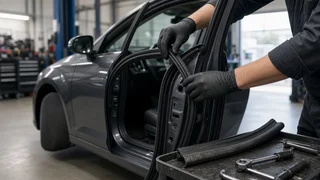
A universal car door rubber seal can often reduce air leakage and noise if the original weatherstrip has flattened or torn, but it works only when the existing gap falls within the range that the new D-shape profile can fill. The add-on strip is applied along the door or body aperture and compresses when closed. That compression forms a secondary barrier. If the panel gap is inconsistent, the seal may press hard in one area and barely touch in another, so the direct answer is conditional: the product is suitable only where a supplementary bulb can make uniform contact.
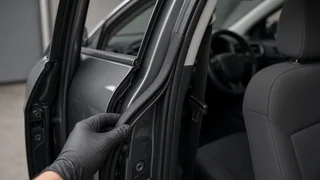
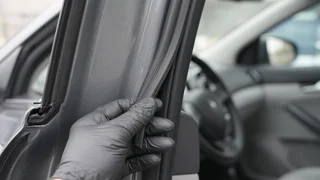
A self adhesive rubber car door seal is not the same as replacing a molded factory gasket. Its advantage is that it can follow the sill, B-pillar, or around the door frame without a model-specific shape. The peel-and-stick backing speeds installation, but long-term adhesion depends on cleaning the mounting surface and letting the tape cure under light closing pressure. For a buyer researching this part, the priority is confirming the profile height and base width fit the available channel or flat surface before committing to a roll length.