Ugly Nissan cars
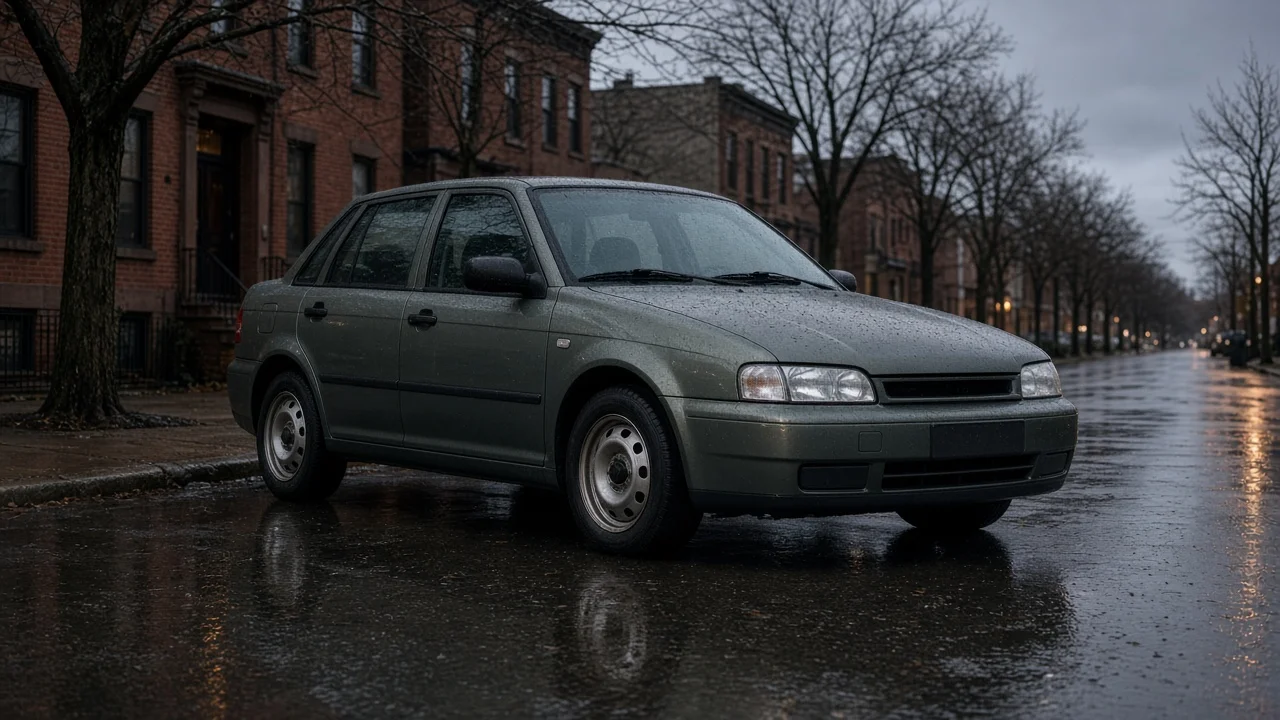
“Ugly Nissan cars” is a subjective search phrase rather than one official model designation. People use it when a particular Nissan body style, trim level, or model generation looks awkward, disproportionate, or dated to them. The judgment often depends on market specification, powertrain configuration, and the era in which the vehicle appeared. A design that seems clumsy at first can also carry practical benefits such as better visibility, interior space, or aerodynamic efficiency. Understanding what shapes that impression helps separate personal taste from concrete automotive reasoning.
Essential answer
There is no universal list of ugly Nissan cars, because styling perception varies widely between buyers, regions, and model years. Common candidates usually include vehicles with unusual proportions, tall and narrow body shells, heavy front fascias, or abrupt rear treatments. A model generation that looks unbalanced today may have been designed around interior packaging targets, crash safety standards, or pedestrian impact rules that changed its silhouette. For that reason, calling a Nissan ugly is more accurately a statement about individual visual preference than a measurable engineering defect.
The same platform can produce very different reactions across trim levels and body styles. A hatchback with short overhangs may appear stubby, while a sedan sharing the same powertrain configuration can look more conventional. Market specification also matters, because lighting shapes, bumper covers, and wheel designs vary by region. When evaluating a vehicle, separating cosmetic reaction from factors such as ride comfort, cargo shape, fuel economy, and outward visibility gives a more useful ownership picture than focusing on appearance alone.