Type 1 child car restraint fitter
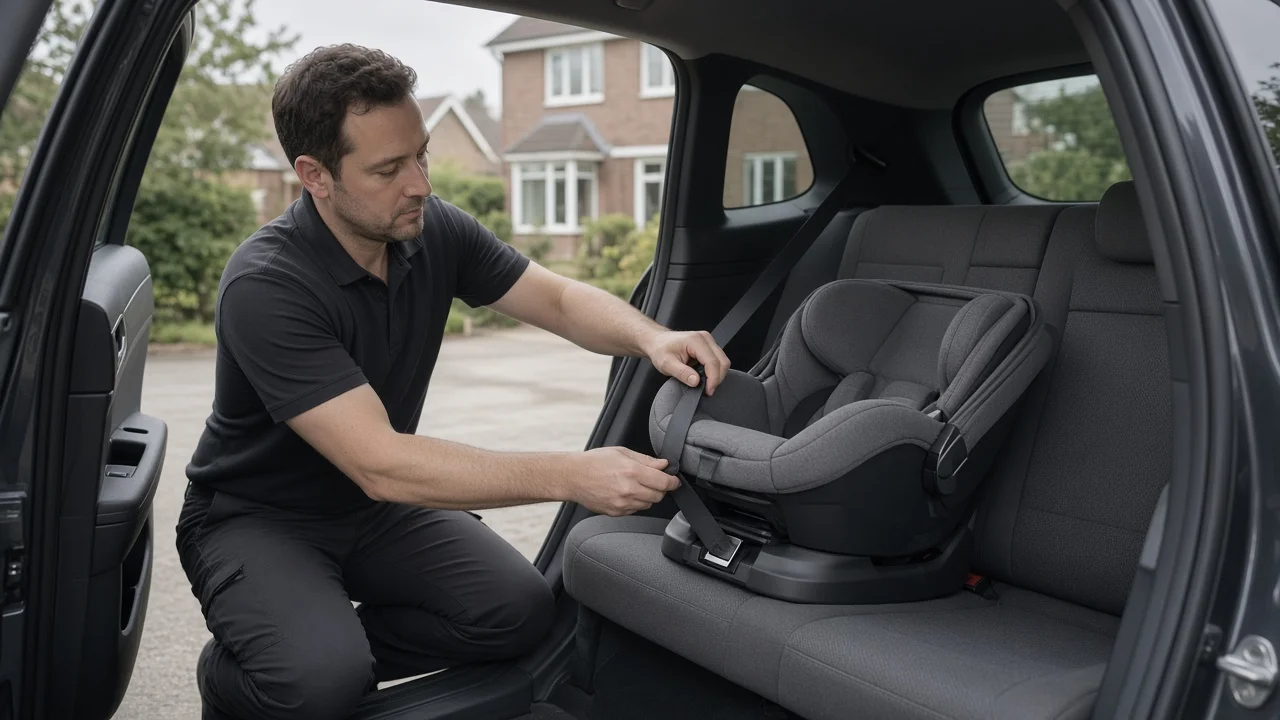
Choosing a child car restraint is only the first step; the security of the installation matters just as much. A type 1 child car restraint fitter helps ensure the seat is secured correctly in your vehicle, reducing movement that can compromise protection. For families, this service turns a sometimes confusing process into a clearer one. The focus is on matching the restraint to the car, using the right attachment points, and checking harness fit. A small installation error can weaken the system, so professional guidance often addresses a real need beyond basic convenience.
Essential answer
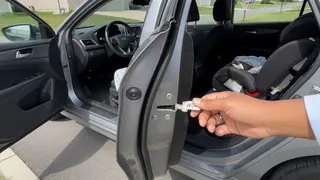
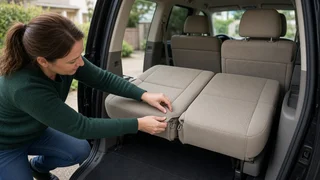
The term type 1 child car restraint fitter generally describes a person or service that installs or checks a forward-facing child seat for a specific age and weight range. In this context, type 1 usually refers to an early stage of forward-facing restraint, where an integrated harness secures the child and the seat connects to the vehicle. The fitter’s job is to verify that the restraint is compatible with the car, positioned appropriately, and held firmly by the seat belt or lower anchors. Confirming this scope helps you understand whether you need installation, inspection, or adjustment.
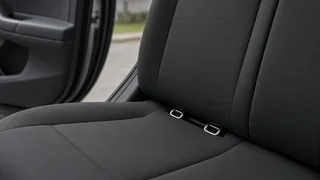
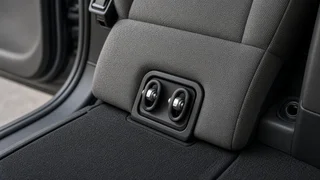
A meaningful part of the work involves anchor selection and seat belt routing. The fitter may use the vehicle’s lower anchors and top tether when available, or a locked seat belt path if not. Harness fit is also checked at the shoulders, chest, and hips so the child sits snugly without bulky clothing creating slack. For older type 1 restraints, manufacturer instructions still matter, especially around recline angle, belt path, and weight limits. Because restraint categories can vary by standard, a direct answer should account for the specific seat and vehicle rather than assume one universal method.