Tusk high pressure radiator cap
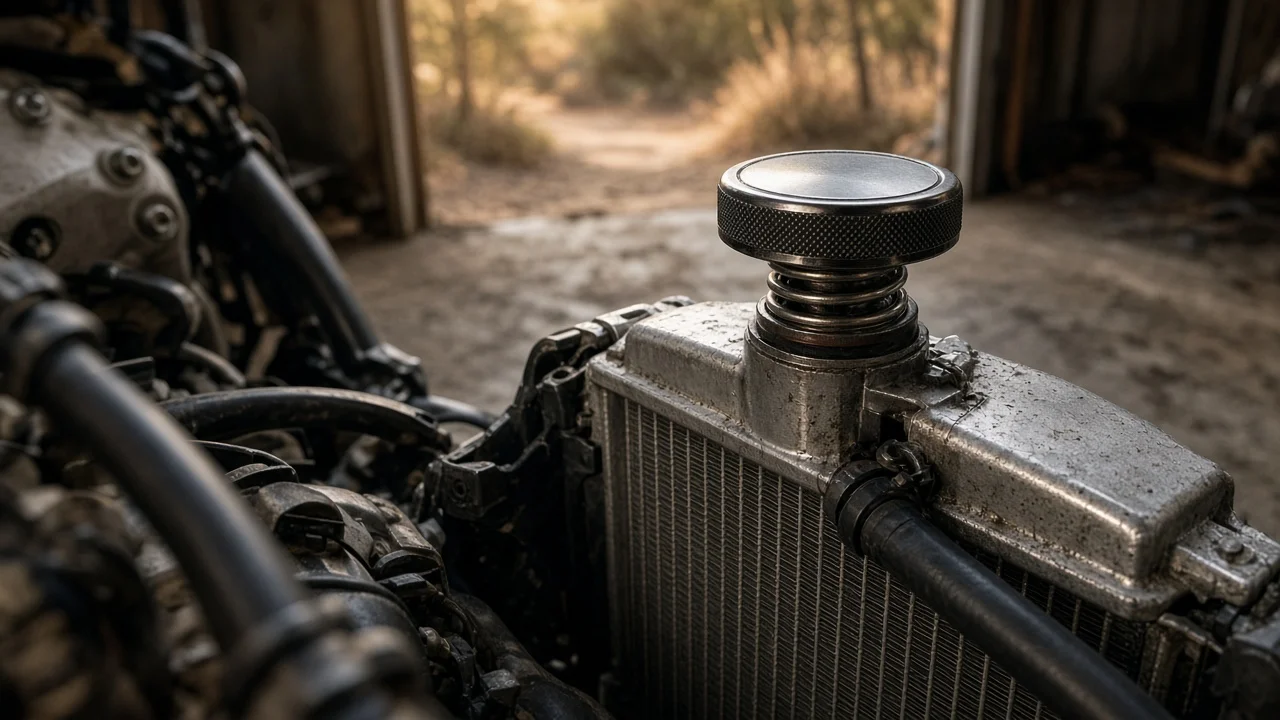
A cooling system depends on pressure as much as coolant flow. When you consider a Tusk high pressure radiator cap, the question is usually whether it will improve cooling control or simply replace a worn original cap. A cap with a temperature gauge adds a visible reference for heat soak, but it does not change the core job of sealing the cooling circuit. The right choice depends on cap rating, neck fit, seal condition, and how the gauge reads the radiator’s upper tank temperature.
The direct answer
A Tusk high pressure radiator cap can be a useful upgrade when the existing cap no longer holds rated pressure, but the higher rating is not automatically better for every machine. The cap raises the boiling point of the coolant by increasing system pressure, which helps reduce localized boiling around cylinder heads during hard riding or slow technical trail work. However, the rating must match what the radiator, hoses, and seals are designed to handle. A cap that opens at a much higher pressure can stress older plastic tanks or weak hose connections.
The temperature gauge version adds convenience by showing heat building in the upper portion of the radiator. It works as a mechanical indicator, typically reading the temperature of coolant or vapor near the filler neck. That reading is useful for noticing trends before a warning light or steam appears, but it is a surface indication rather than a precise engine coolant temperature. Confirm the cap’s neck diameter and depth before purchase, because a visually similar cap may not seal correctly on every radiator.