TRW vs ATE brake pads
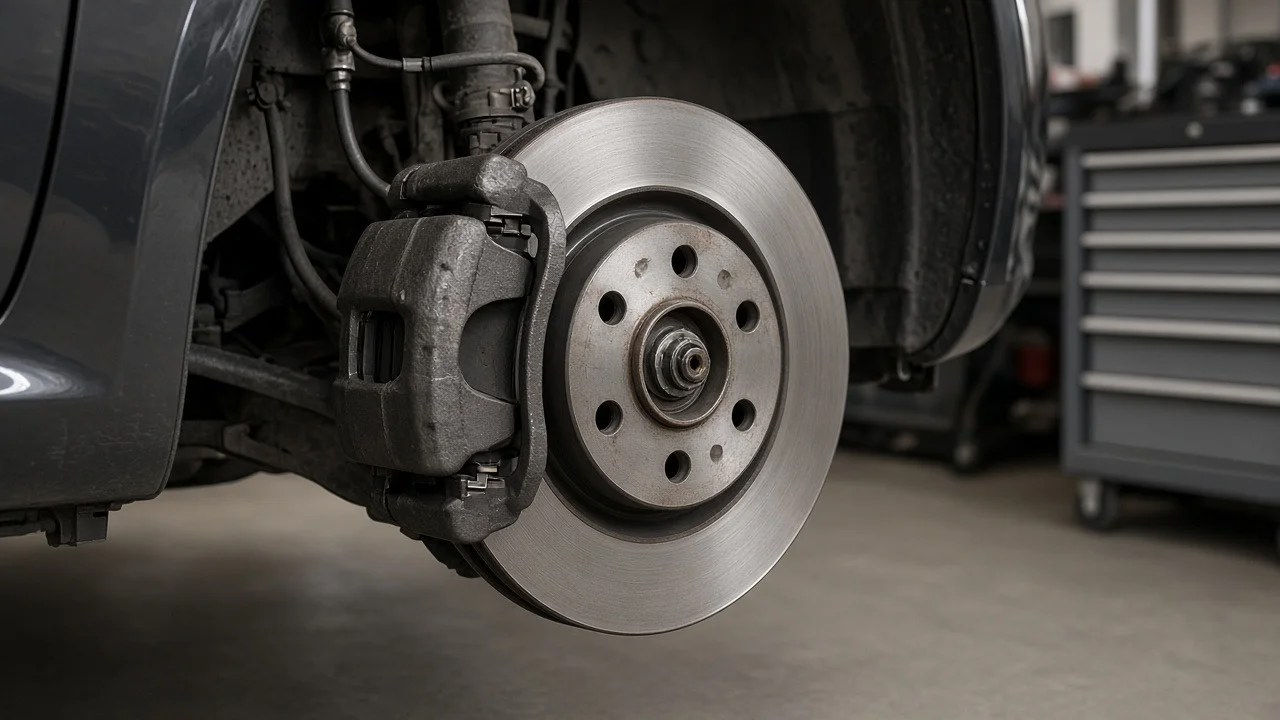
Choosing between TRW and ATE brake pads usually comes down to how you use the vehicle, what the brake system was engineered to favor, and what kind of pedal feel and dust behavior you can live with day to day. Both brands supply friction material intended to work within original equipment tolerances, yet their compounds often emphasize different qualities. This comparison helps you match pad behavior to your driving conditions instead of treating the two names as interchangeable replacements.
Direct answer
For most street drivers, the practical answer is that either brand can be an acceptable replacement when the pad shape and vehicle fitment are correct. TRW tends to be associated with broad original equipment coverage and predictable, everyday performance. ATE is often chosen where the braking system, caliper, and fluid are already ATE components, or where the driver wants a slightly firmer initial response. Neither name automatically makes a brake rotor last longer or eliminates the need to check wear limits.
The better choice depends on what you are trying to correct or preserve. If the current brakes feel soft, stop unevenly, or produce excessive dust, changing brands may help, but the pad alone does not override a sticking caliper, contaminated friction material, or old brake fluid. A useful approach is to compare the pad compound descriptions for your specific axle and driving mix. Confirm the part number by vehicle fitment, then evaluate the brand that matches your priority: lower dust, consistent cold bite, or reduced noise during repeated stops.