Truck Tire Valve Stem Extensions
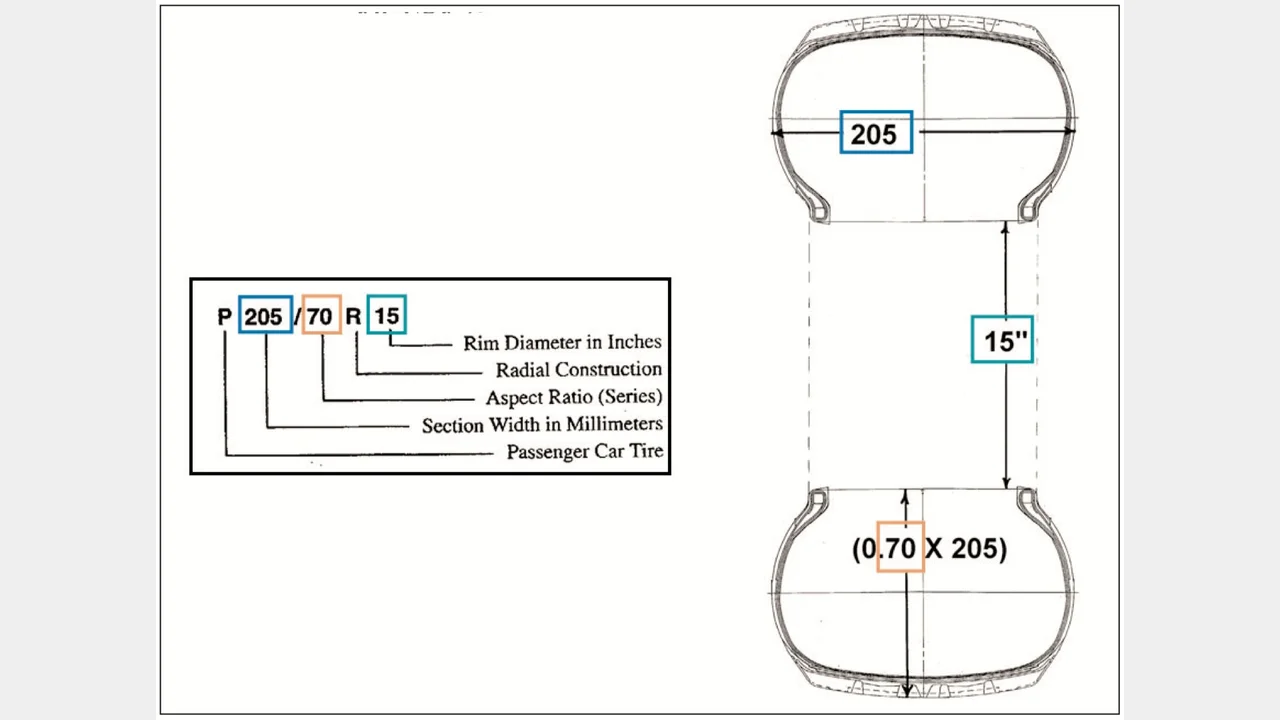
Truck tire valve stem extensions solve a basic access problem: the original valve on many light truck, dually, and high-load wheels is too short to reach easily with an air chuck or pressure gauge. Choosing the right extension means matching wheel design, inflation pressure, and expected load without creating a new leak path. The decision touches tire size, load index, speed rating, and drivetrain compatibility because dual rear wheels, hub piloted mounts, and high pressure commercial casings all influence fitment. A useful purchase starts from the wheel configuration and the pressure range the tire will actually carry.
The direct answer
A truck tire valve stem extension is appropriate when the existing stem cannot be safely reached for inflation or pressure checks, especially on dual rear wheels or recessed alloy rims. The extension threads onto the current valve and provides a longer outer stem, but it only works correctly if the base valve is in good condition and the extension is stable under vehicle load. Fitment is conditional: short rigid extensions suit inner duals with locating brackets, while flexible extensions can work where wheel vibration would fatigue a fixed metal piece.
Before buying, confirm the wheel type and the inflation pressure range. High pressure light truck tires can benefit from metal extensions rated for commercial service, while a rubber or plastic extension may be unsuited to sustained heat and load. Also check whether the wheels are hub piloted or stud piloted, because the available clearance around the hand hole determines whether a straight, angled, or flexible stem can be routed without hitting the brake drum or caliper. The extension must not reduce the ability to read tread depth, check tire inflation, or inspect the base valve.