Trick Turbo intercooler
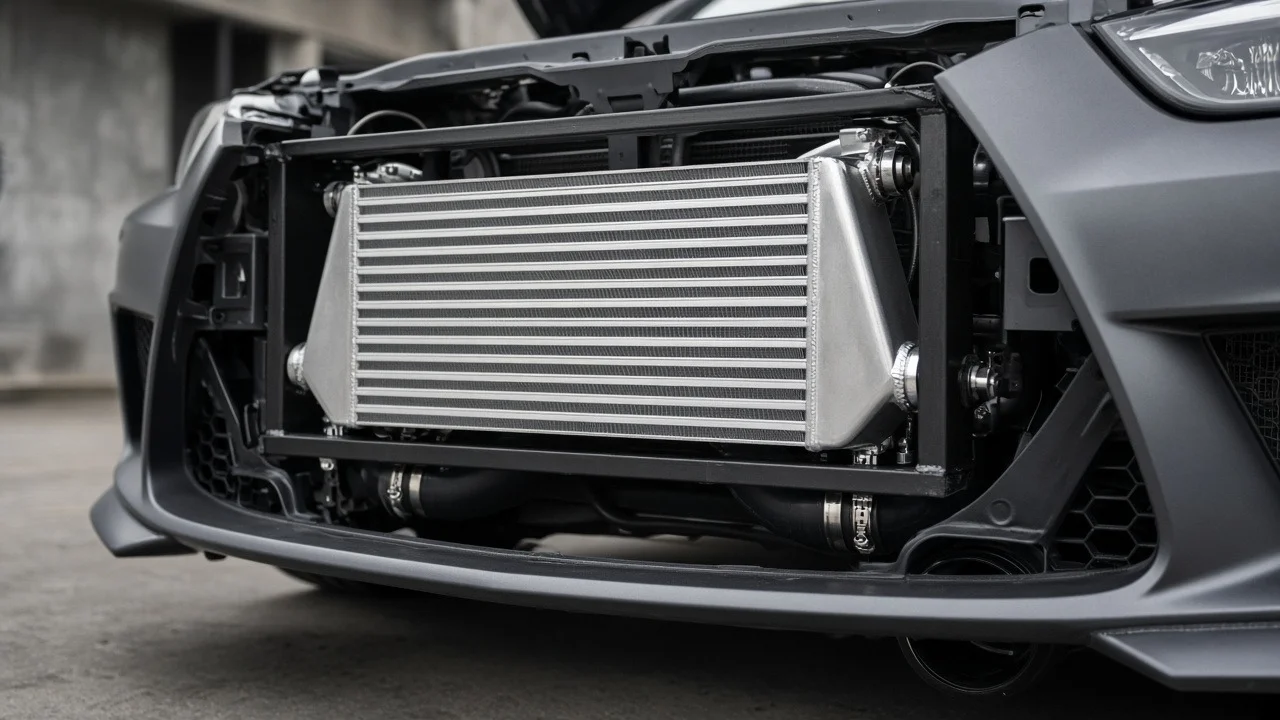
Searching for a “trick turbo intercooler” usually means trying to locate a specific product, brand name, or a distinctive design rather than a generic replacement part. Because exact manufacturer evidence is unavailable, a useful answer must focus on what the term implies and how any intercooler of this type should be judged. The key is understanding charge-air temperature control, compressor outlet flow, and pressure loss so that a potential purchase improves consistent boost pressure instead of simply looking different under the hood.
Essential answer
The essential answer is that “trick turbo intercooler” is best understood as a navigational search for a particular aftermarket unit rather than an established, universally defined product category. Without confirmed specifications, the name likely signals a visually distinctive or performance-oriented core that sits between the compressor outlet and the throttle body. Its actual value depends on lowering charge-air temperature while minimizing restriction. A buyer should treat the phrase as a starting point for comparing a known physical part against the vehicle’s available mounting space, hose connection diameters, and the expected heat load from the turbocharger.
Any intercooler worth considering must improve consistency rather than simply increase peak boost pressure. Heat generated during compression raises intake air temperature, and a well-matched core removes that heat before the air reaches the cylinders. That reduces the chance of detonation and keeps power more repeatable during hard driving. At the same time, an oversized or poorly designed core can introduce unwanted pressure loss and lag. Therefore, the practical interpretation of a “trick” unit is not a magic cooling device but a carefully sized heat exchanger that performs well under the specific airflow, ambient temperature, and oil contamination conditions found in the owner’s engine bay.













