Trailer safety chains crossed or not
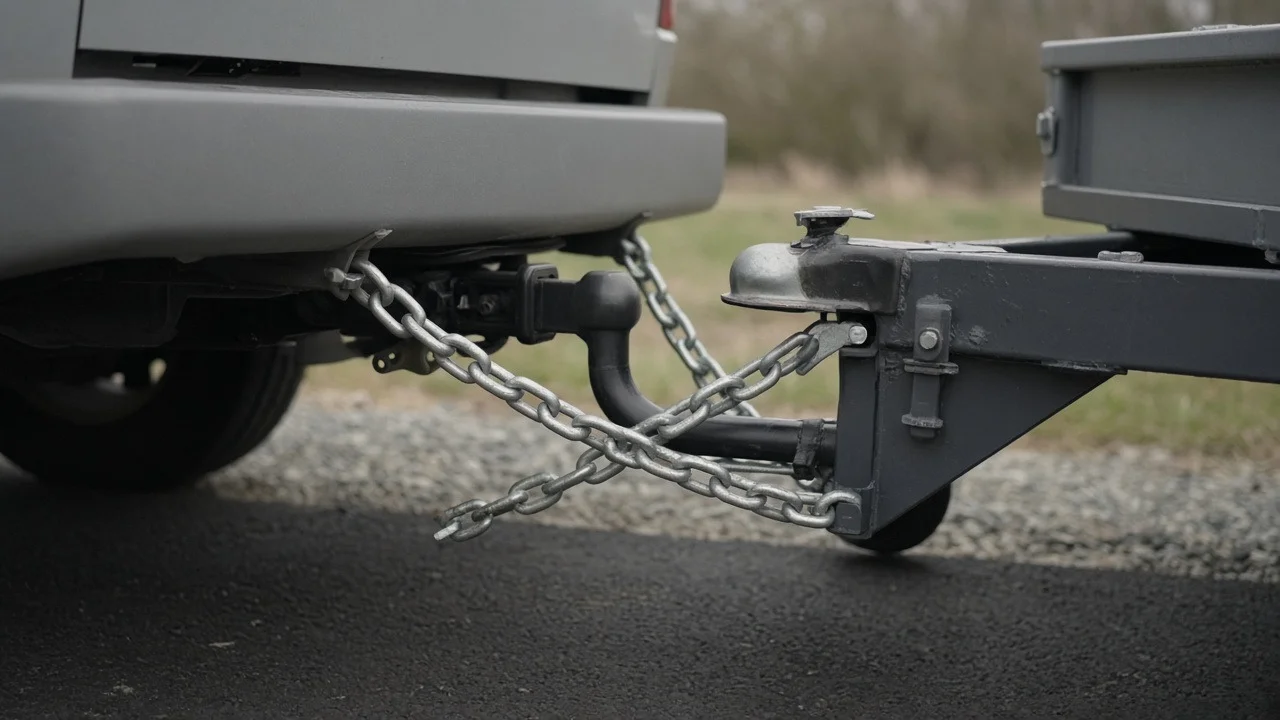
A trailer coming loose from the hitch is rare, but the safety chains are the last mechanical link that can prevent a complete separation. The question of whether trailer safety chains crossed or not comes down to how the chains behave at the moment the coupler disconnects. Crossing the chains creates a cradle under the trailer tongue, while running them straight leaves the tongue free to drop. The right configuration depends on how the chain lengths, hitch setup, and trailer weight interact with the tow vehicle.
Essential answer
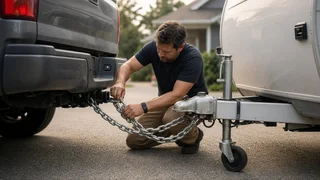
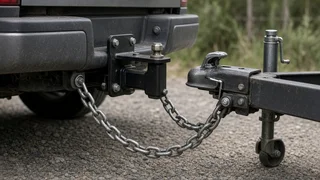
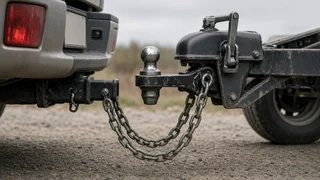
The direct answer is that trailer safety chains should generally be crossed beneath the coupler, not run straight. Crossing the chains forms a supportive cradle under the trailer tongue. If the coupler separates from the hitch ball, the tongue falls onto the crossed chain assembly instead of digging into the pavement. Running the chains straight leaves the tongue unsupported, and a dropped coupler can strike the road, causing the trailer to pitch or lurch unpredictably.
The crossed configuration also keeps the chains from dragging excessively while still allowing enough slack for turning. The chains should be long enough to permit normal articulation but short enough that the crossed cradle catches the tongue quickly. This practice is tied to gross vehicle weight rating, tongue weight, and axle rating in the sense that heavier trailers place more load on that cradle, but the basic crossed layout applies across most conventional hitch configurations.