Trailer coupler stuck on hitch ball
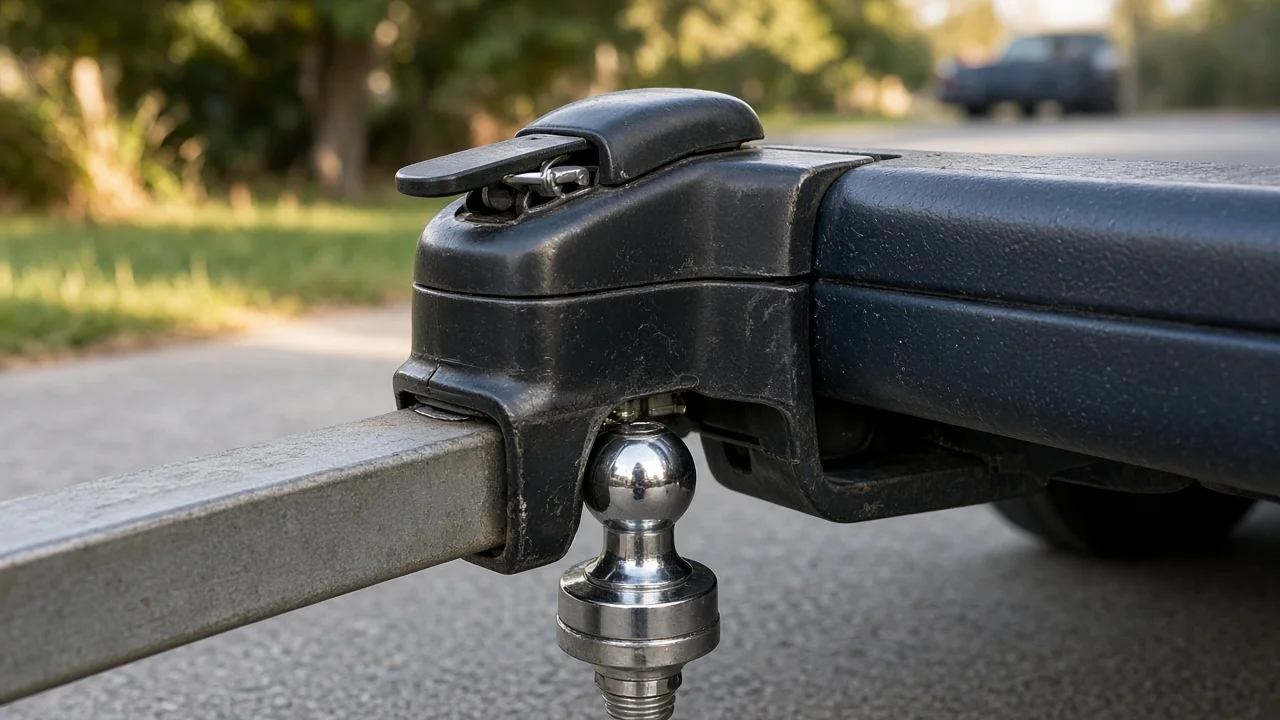
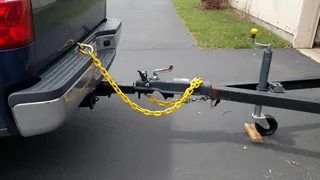
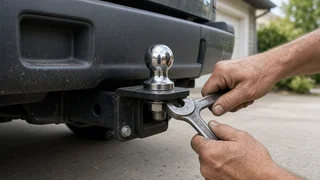
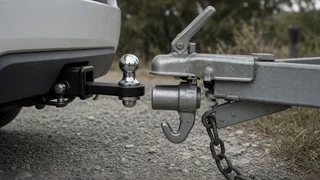
When a trailer coupler is stuck on the hitch ball, the usual release motion becomes a frustrating standoff between the tow vehicle and the trailer. The ball fits inside a latching socket, and rust, grime, misalignment, or pressure from the trailer can hold the two together even after the latch opens. The trailer hitch ball won't release because the mechanical fit needs both slack and alignment, not just an unlocked lever. Understanding how the coupler, ball clamp, and tongue load interact lets you separate the trailer safely and avoid damage to the hitch or trailer A-frame.
Essential answer
The essential answer is that a trailer hitch ball stuck in the coupler usually needs tension relieved, free play created, and the latching mechanism fully retracted. The coupler is a socket that wraps around the ball, often with a spring-loaded jaw or under-jaw clamp. If the trailer tongue is pulling forward, backward, or twisted, the ball and socket bind, so no amount of lifting works until the pressure changes. Parking with the trailer in a slight push toward the tow vehicle, chocking the wheels, and using the tow vehicle in short controlled movements can create the slack the mechanism needs.
A trailer hitch that gets stuck on the ball is not always a failed component; it often reflects how the trailer's tongue weight and angle load the joint. When the trailer and tow vehicle are not on level ground, the coupler can press down or tilt on the ball. That changes the contact patch and prevents the retainer from clearing the ball's base. Corrosion, thickened grease, or a bent latch slide can add resistance, but the first step is to unload the union, not to force the release handle. Safe separation depends on controlled movement and steady support.