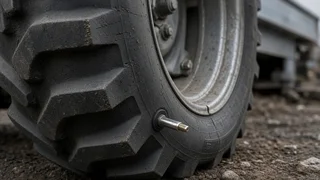
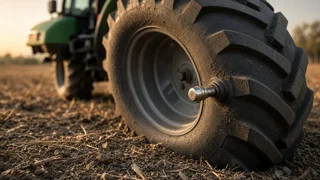
Tractor tire valve stem adapter for liquid fill
Choosing a tractor tire valve stem adapter for liquid fill means matching the rim hole size and the fill pump or hose connection before a single gallon enters the tube. A wrong adapter can leak, trap air, or blow off under head pressure, so the purchase decision should start with the stem diameter and thread style already mounted on the wheel. This guide explains what to inspect at the valve, how the adapter interacts with ballast filling, and which practical checks help you buy a usable part rather than a generic fitting that only looks close.
The direct answer
The right adapter depends on the valve stem thread and the liquid fill setup. Tractor wheels may use clamp-in stems with common outer threads or larger bore stems for faster filling, so the adapter must match both the stem and the hose coupling. Before ordering, remove the cap and measure the stem diameter or compare it with a known thread gauge. If the stem is damaged or corroded, replacing it with a metal clamp-in style suitable for the rim hole is often a better first step than forcing an adapter over weakened threads.
The adapter’s job is to create a controlled path while liquid ballast displaces air. A liquid fill adapter typically threads onto the stem and provides a shutoff or vent feature, allowing air to escape without spraying fluid. Confirm whether the adapter is intended for the stem’s valve-core threads or the outer service threads, because these are different diameters and cannot be interchanged. Any condition such as a bent core, cracked cap seat, or leaky Schrader valve should be corrected first, since the adapter cannot seal a failing stem.