Fluid Filled Tractor Tire Valve Stem

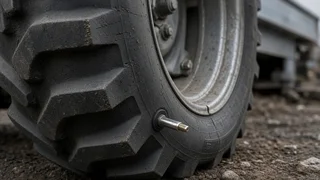
A fluid filled tractor tire valve stem is not a single permanently fixed part; it describes the air-and-liquid service point used when a tractor tire is partially filled with liquid ballast. Most often, that ballast is a calcium chloride solution or beet juice, added through a special valve stem designed to admit both air and liquid without trapping corrosive fluid in the core area. The stem’s condition matters because the fill level changes inflation behavior, and incorrect service can create pressure readings that are dangerously misleading. The measured demand for this topic centers on identification and service differences.
Essential answer
The essential subject is the service valve used on a tubeless or tubed agricultural tire that holds liquid ballast rather than air alone. A fluid filled tractor tire valve stem may be a standard metal clamp-in stem, a bolt-in stem, or an air/liquid adapter fitted temporarily for service. In many older setups, the tire is rotated until the stem is at the twelve-o’clock position for checking air pressure above the liquid line. This placement prevents the liquid charge from entering the gauge. Because ballast adds rim weight and alters how the casing carries the tractor, recognizing whether your stem is a one-way air valve or a two-way liquid transfer point is the first practical distinction.
A stem that has been exposed to calcium chloride may develop a chalky or corroded appearance around the core and cap. That corrosion is an observation to interpret, not automatic proof that the core leaks or the tire must be disassembled. The service concern is whether the valve can still seal after the core is removed, because a pressure check on a filled tire must keep the liquid below the stem. If you hear air escaping and see liquid mist, the stem is in the wet zone and the tire should be repositioned. The correct stem installation allows air service while keeping the liquid ballast sealed inside the casing.