Tractor Tire Pressure Gauge
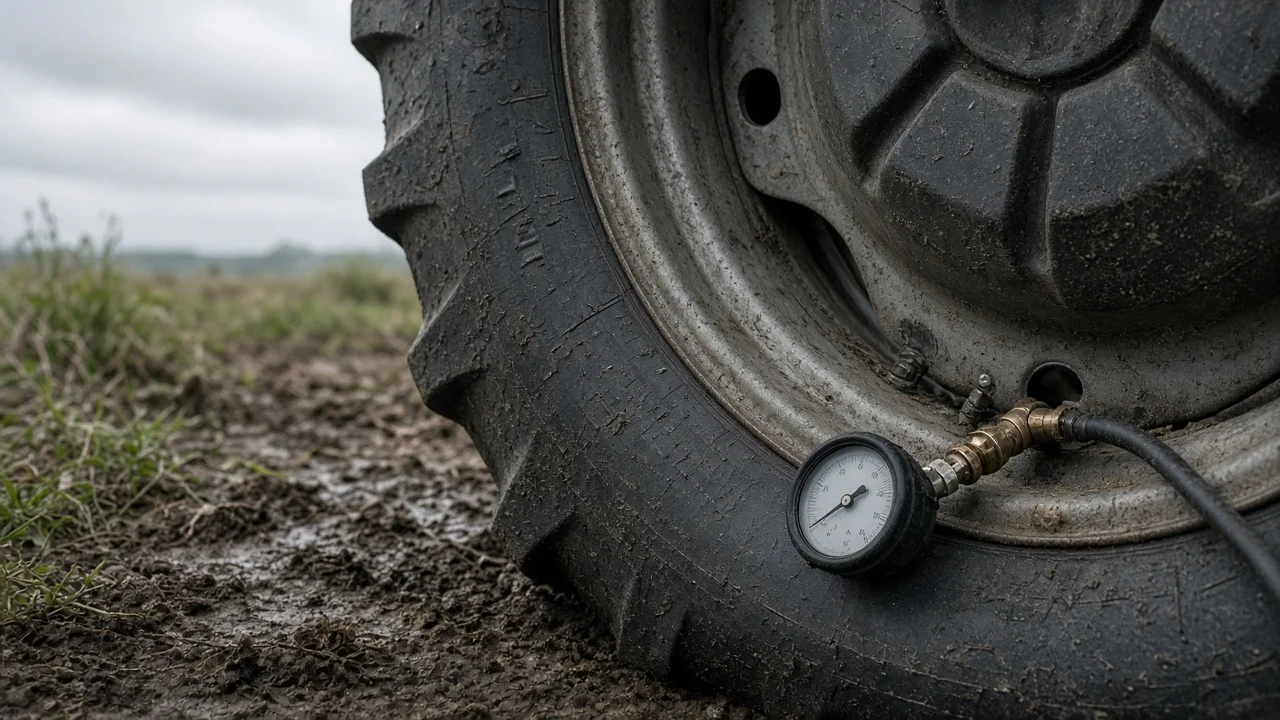
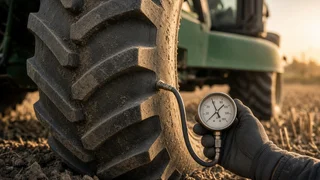
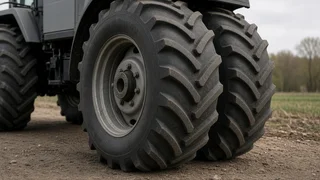
Choosing a tractor tire air pressure gauge is less about brand recognition and more about matching the tool to the demanding inflation range and valve design used on agricultural equipment. Farm tires often run at low pressures, carry heavy loads, and use liquid ballast inside the casing. That changes how a gauge must connect, read, and survive weather. A reliable tire pressure gauge for tractor tires should give repeatable readings without guessing, let you check pressure quickly between field tasks, and provide enough measurement range for both narrow implement tires and wide flotation rubber.
The direct answer
A tractor tire air pressure gauge should cover the low inflation range common on agricultural tires, where small differences in psi noticeably affect traction and soil compaction. Choose a gauge with a clear dial or digital readout that is easy to read while kneeling near a valve stem. Measurement range matters because a passenger-car gauge may top out too low for loaded rear tires or read too coarsely at the low end for front implement tires. Select a unit that places your expected working pressure near the middle of its scale, where mechanical gauges are typically easier to read accurately.
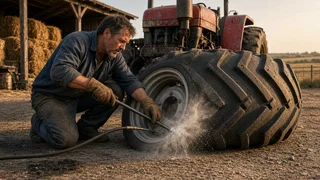
Connection design is equally important. Tractor valve stems are often short, angled, or partially shielded by the rim, so a gauge with a straight chuck may be hard to seat without leaking air. Look for a angled or dual-foot chuck that fits firmly over the valve core before you take a reading. For tires containing liquid ballast, avoid storing the gauge with the chuck pointed down and rotate the valve away from the liquid when possible. A gauge that seals quickly and releases cleanly makes checking multiple tires faster and reduces the chance of a misleading low reading caused by air escaping during the measurement.