John Deere Tractor Tire Pressure Gauge
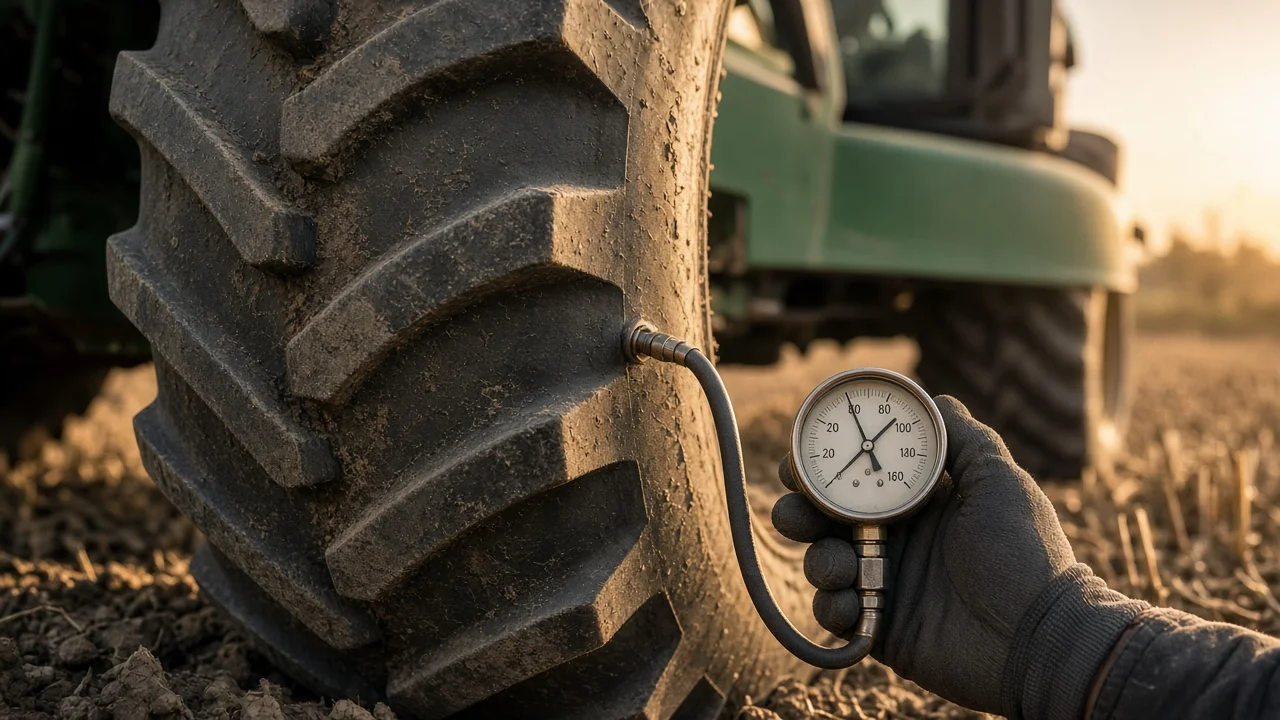
Choosing a John Deere tractor tire pressure gauge is more than picking a dial that fits a valve stem. Tractor tires carry heavy loads at low pressures, and small measurement errors can change traction, ride quality, and soil compaction. The right gauge needs a useful measurement range, clear scale markings, and a connection that seals reliably on agricultural valve hardware. Because many owners also maintain mowers, utility vehicles, and implements, it helps to understand how accuracy, calibration, and units affect everyday pressure checks before comparing available gauge styles.
The direct answer
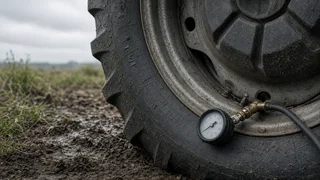
Look for a gauge with a measurement range that covers the low pressures common on tractor tires, often much lower than passenger-car tires. A large, easy-to-read dial or digital display helps when checking tires in dusty or shaded conditions. The connection should seat firmly on the valve stem without leaking during the reading. Many owners also benefit from a dual-scale face showing psi and bar or kPa, reducing the chance of misreading a vehicle specification printed in different units.
A gauge is a diagnostic tool, not a substitute for the vehicle specification. The reading tells you whether the current tire pressure matches the target for the load and operating surface. If the value is outside the expected range, investigate the tire, valve, or gauge condition before changing pressure. Accuracy and calibration matter most when you compare readings over time. A repeatable gauge helps you spot slow leaks or track pressure adjustments between field and road use.