Toyota WEC race car
Toyota’s presence in the FIA World Endurance Championship represents a focused application of hybrid powertrain technology to the demands of multi-hour racing. A Toyota WEC car is not a production model, but a purpose-built prototype designed around specific regulations, efficiency targets, and aerodynamic requirements. Understanding its role means distinguishing race-car engineering from road-car features. The following overview explains what this vehicle is, how its powertrain configuration differs from conventional machinery, and why model year, trim level, and market specification apply differently in a competition context.
Essential answer
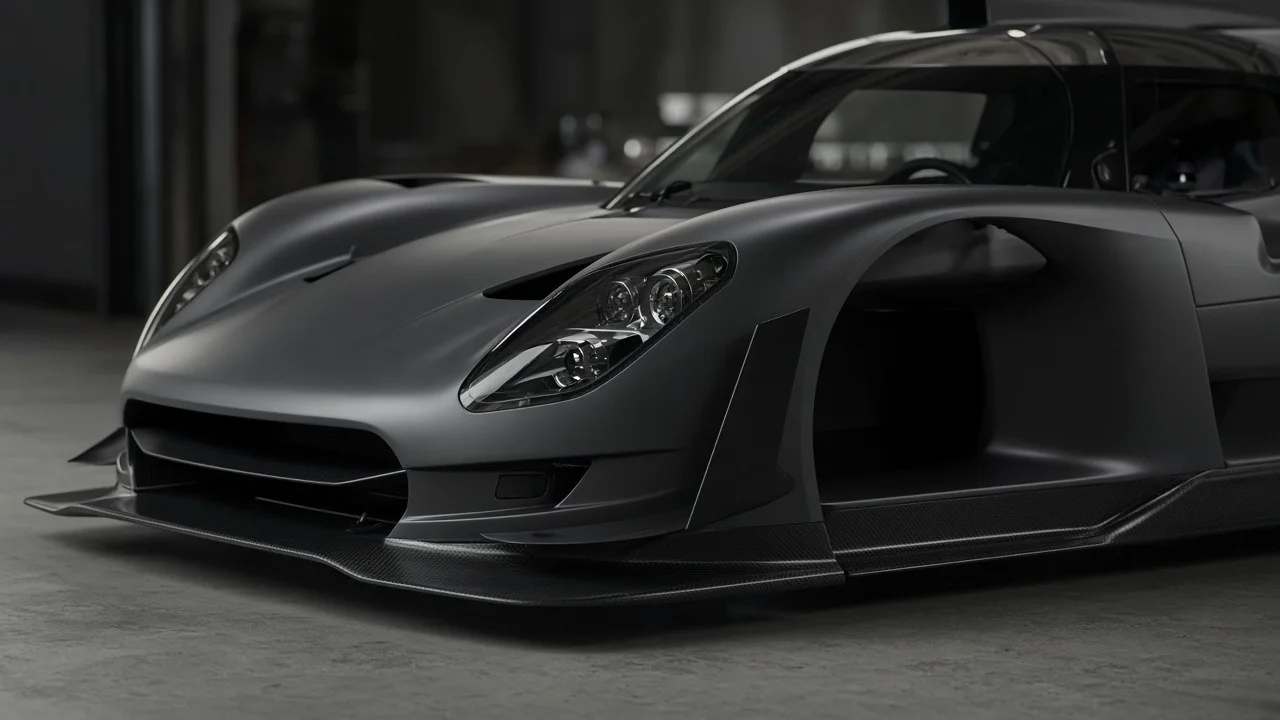
A Toyota WEC car is a specialized endurance racing prototype fielded in the World Endurance Championship’s top category. Rather than being based on a production chassis, the vehicle is engineered around a carbon-fiber monocoque and a hybrid powertrain configuration that combines an internal combustion engine with an electric motor and energy-recovery system. This body style, a closed-cockpit prototype, is shaped primarily by aerodynamic efficiency, cooling, and downforce needs, so familiar showroom concepts like trim level or market specification do not map directly onto the machine.
The subject’s scope is limited to competition machinery rather than consumer vehicles. While automotive buyers often compare model generation changes, a WEC program evolves through technical regulations and homologation periods, not traditional model years. The car’s identity depends on its racing category and the rule set it meets, so specific design details may shift between seasons. Anyone researching this topic is typically looking at the engineering approach and race application, not a vehicle available for purchase or street use.