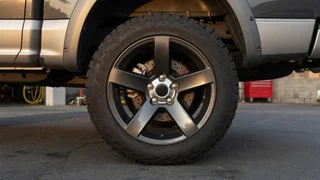
Toyota Tacoma wheel offset
Choosing aftermarket wheels for a 2016 Toyota Tacoma often starts with a simple search for wheel offset, but the term is easy to misunderstand. Wheel offset is not size or width. It describes where the wheel’s mounting face sits relative to the centerline of the rim. That position changes how far the tire and rim sit inward or outward, which affects clearance, steering feel, and suspension geometry. For 2016–2018 Tacoma owners, understanding zero, positive, and negative offset helps avoid fitment problems before buying new wheels or fitting larger tires.
Essential answer
Wheel offset is the distance, usually expressed in millimeters, between the wheel’s mounting surface and the imaginary centerline of the rim. A zero offset places the hub-mounting face exactly on that centerline. Positive offset moves the mounting surface toward the outside face, pulling the tire inward. Negative offset moves it toward the brake side, pushing the tire outward. For a 2016–2018 Toyota Tacoma, a factory wheel typically uses a positive offset, but exact values vary by wheel design and trim, so the mounted tire remains properly located within the wheel well.
Offset matters because it influences how the vehicle’s weight is distributed across the wheel bearings and suspension. A large negative offset creates a wider stance by pushing the tire away from the suspension, which can improve visual stance and off-road clearance for wider tires. However, it also increases steering effort, changes scrub radius, and may cause rubbing at the fender or mud flap. A strong positive offset tucks the assembly inward, which can reduce fender contact but may interfere with suspension arms, brake components, or the frame on some fitments.