Toyota sports cars in the Philippines
Shopping for a Toyota sports car in the Philippines means weighing heat, traffic, flooding, and import duties against the appeal of a lightweight two-door. Philippine buyers often encounter used Japanese-market coupes, gray-market imports, and locally sold performance models, so the practical answer depends on budget, intended use, and parts availability. The vehicle class, body configuration, seating layout, powertrain layout, and model generation shape how a car behaves on both expressways and tight city streets. Understanding those differences helps separate a true sports car from a sporty-looking sedan before committing to a purchase.
Essential answer
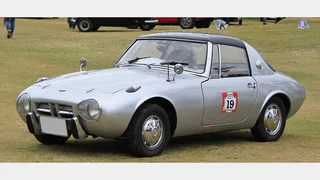
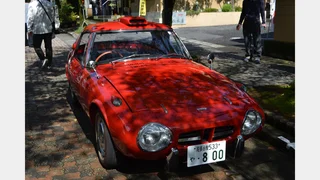
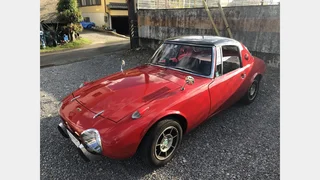
A Toyota sports car in the Philippines is best understood as a small, driver-focused coupe or liftback rather than one specific current model. The market segment has historically included front-engine, rear-wheel-drive platforms like older Celica and Supra generations, as well as mid-engine two-seaters such as the MR2. Because local new-car availability changes and many examples enter through the used-import trade, the essential answer is not a single dealership offering but a category defined by two doors, a lower roof, a seating layout for two or occasionally four occupants, and handling prioritized over outright cargo space.
The vehicle class matters more than the badge. Some Toyota models sold in the Philippines carry aggressive styling but use a front-engine, front-wheel-drive powertrain layout and a practical body configuration, placing them closer to sport compacts than dedicated sports cars. By contrast, a rear-drive coupe or mid-engine model changes steering feel, weight transfer, and cornering behavior. Model generation also affects expectations: earlier examples may offer simpler mechanical systems and lower prices, while later generations can bring more power, safety equipment, and emissions compliance but higher import and maintenance costs.