Toyota Inner CV Joint Grease
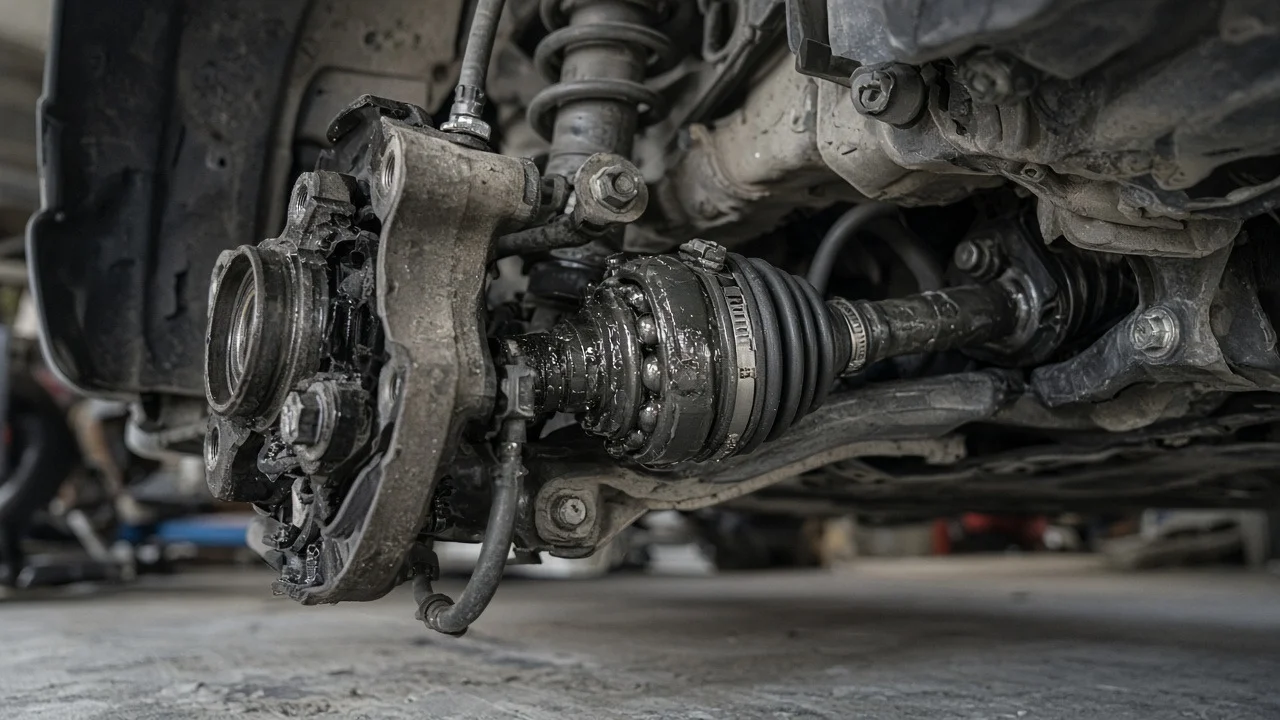
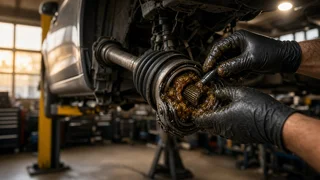
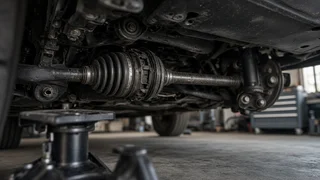
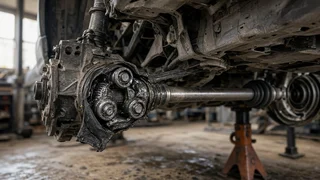
Toyota inner CV joint grease is a specialized lubricant packed around the inboard constant velocity joint, where the axle shaft meets the transaxle or differential. This grease must cushion a plunging tripod or ball-type joint while the suspension moves and the halfshaft changes angle. It differs from ordinary chassis grease because it copes with high local sliding pressure, heat, and the need to stay in place without breaking down. Understanding the correct lubricant helps owners and technicians avoid noise, vibration, and premature wear when a boot is replaced or a joint is regreased during axle service.
Essential answer
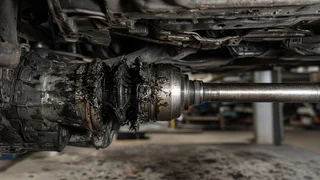
The essential answer is that Toyota inner CV joint grease is a high-molybdenum or otherwise EP-fortified polyurea or lithium-complex grease selected for the inboard joint’s operating demands. The inner joint primarily allows axle length change and angular movement under acceleration, braking, and suspension travel. The grease must tolerate sliding and rolling contact inside the tripod housing while resisting separation, oxidation, and washout if moisture enters through a damaged boot.
Toyota vehicles may use different grease formulations depending on model generation, powertrain configuration, and whether the inner joint is a tripod or ball-type design. The model year and trim can affect axle assembly construction, and manufacturer-dependent specifications require confirmation for a particular vehicle. In practice, the grease is often supplied in a boot kit or specified by axle component standards rather than as a universal service product, so matching it to the application is more important than using the first general-purpose grease available.