Inner CV Joint Grease
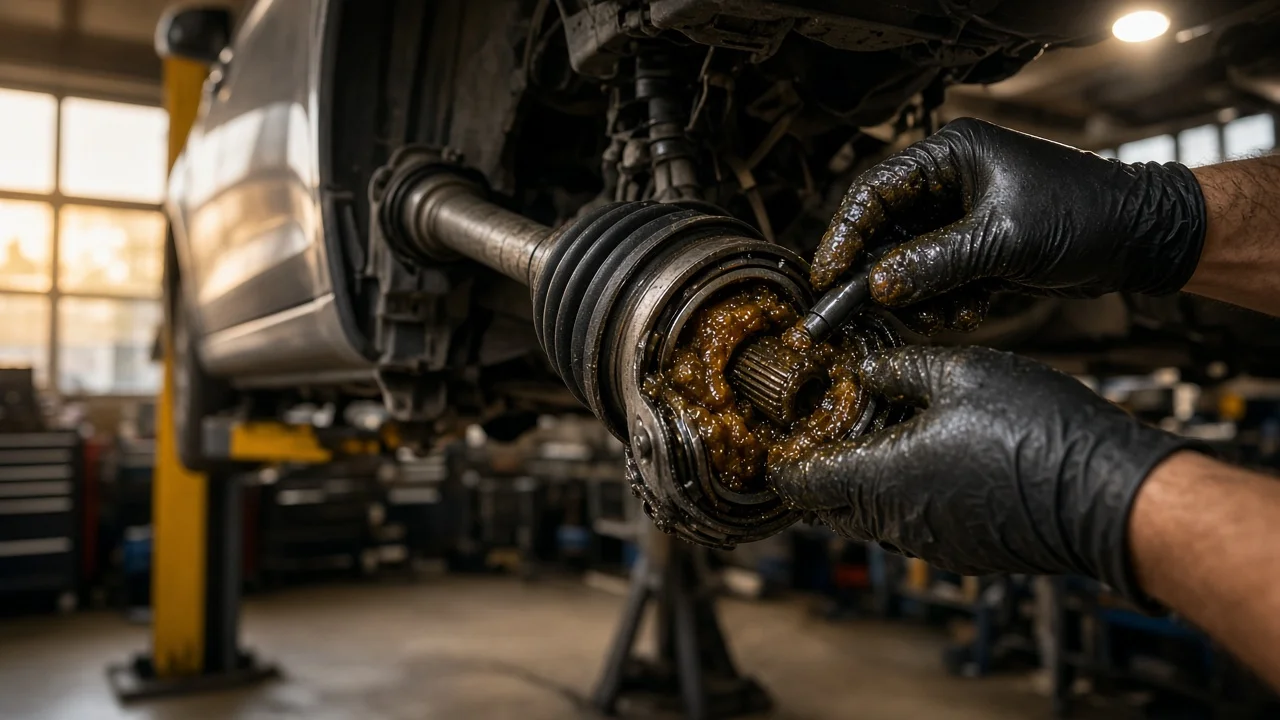
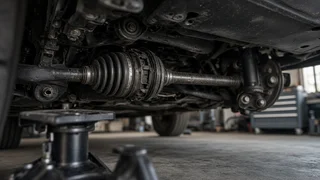
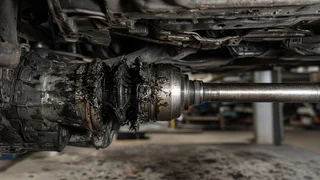
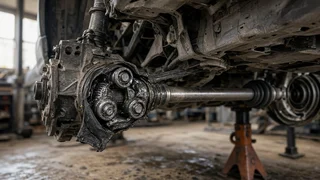
Inner CV joint grease is a specialized lubricant packed inside the constant velocity joint where an axle shaft meets the transmission or differential. Unlike general chassis grease, it must tolerate the scrubbing, sliding, and high-pressure contact produced during joint articulation while resisting heat, moisture, and extreme drivetrain loading. Drivers typically encounter it when a protective boot tears, the factory fill is displaced, or a joint is serviced. Choosing the correct grease matters because the inner joint operates at changing angles under torque, and the wrong product can accelerate wear, promote corrosion, or compromise the retaining clip and spline fit.
Essential answer
Inner CV joint grease is a heavy-duty, high-pressure lubricant designed specifically for constant velocity joints rather than plain chassis bearings or universal joints. Its primary job is to maintain a separating film between the balls, cage, and races as the axle shaft transmits engine torque while the suspension and steering positions change. Because the contact surfaces slide and roll under load, the grease must reduce friction, cushion impact, and stay in place near the articulating components instead of being thrown outward by centrifugal force or breaking down from heat.
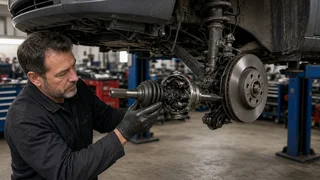
The relevant meaning of your search depends on whether you are replacing a torn boot, servicing a joint, or troubleshooting a noise. Inner joint grease is not automatically interchangeable with every CV joint product, and some formulations include molybdenum disulfide for sliding wear protection while others are intended for specific joint designs. Before adding grease, it helps to inspect the protective boot, confirm whether lubricant has been lost, and verify the correct product for that particular axle assembly. The grease supports the joint, but it cannot correct existing mechanical damage or a failed retaining clip.