Toyota hydrogen and fuel-cell cars
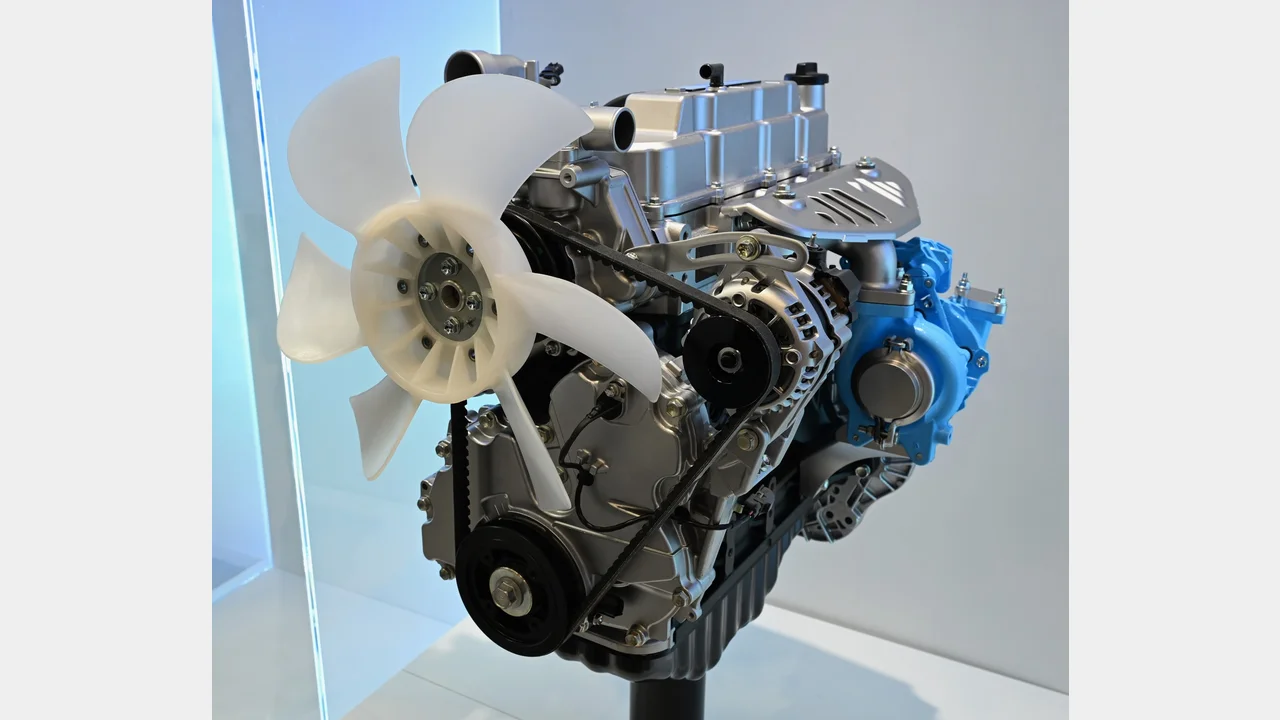
A Toyota hydrogen car uses compressed hydrogen gas to generate electricity on board, rather than drawing energy from a large plug-in battery pack. The most visible example is the Toyota Mirai, a fuel-cell sedan that emits only water vapor from the tailpipe. Buyers comparing a Toyota fuel cell car with a battery electric vehicle usually weigh refueling time, driving range, local station availability, and the price of the Mirai. The system turns stored hydrogen and outside air into electric current through a fuel cell stack, which then powers the drive motor. That process explains both the smooth, quiet operation and the specific ownership considerations of hydrogen propulsion.
Essential answer
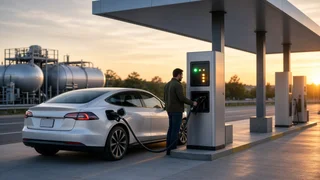
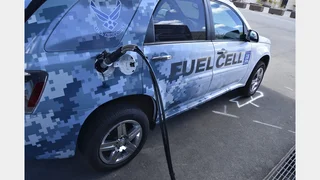
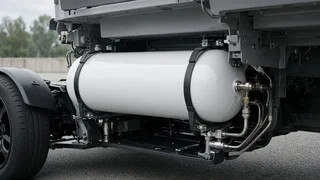
Toyota hydrogen cars are production fuel-cell vehicles that store energy as compressed gas in high-pressure tanks. The current passenger-car model is the Toyota Mirai, a midsize sedan that uses a fuel cell stack to combine hydrogen with oxygen. That reaction produces electricity, water, and heat, so the car drives as an electric vehicle without a large charging stop. For many shoppers, the core distinction is refueling behavior: a hydrogen car fills at a pump in a few minutes and carries its range in the tanks, while a battery EV holds energy in cells and charges over a longer period.
The practical scope depends heavily on where the car will be driven. Hydrogen refueling infrastructure in the US is concentrated in limited regions, so a Toyota fuel cell car makes the most sense for a driver with reliable access to a station. The technology also differs from a hybrid or plug-in hybrid. There is no gasoline engine to fall back on, and the car cannot be charged from a home wall outlet. The fuel cell stack, air intake, cooling circuit, and storage pressure management all work together continuously. Understanding that closed hydrogen loop is central to evaluating whether a Toyota hydrogen car fits a particular commute and ownership situation.