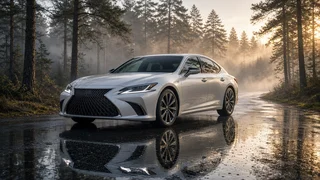
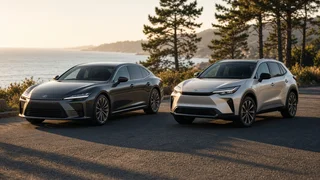
Toyota Group brands

When shoppers ask which Toyota brands are available, they are usually trying to understand the difference between Toyota Motor Corporation and the individual nameplates sold under its umbrella. The group’s portfolio includes passenger vehicles, trucks, and mobility-focused divisions, but availability varies by market segment and regional distribution. Knowing the manufacturer’s structure helps buyers compare body configurations, powertrain options, and equipment levels without confusing a parent company with a single car brand. This overview explains the essential answer and the practical model-line relationships behind those familiar badges.
Essential answer
Toyota Motor Corporation is the parent manufacturer, while Toyota and Lexus are the two best-known automotive nameplates it operates directly in many regions. The Toyota badge spans mainstream cars, crossovers, trucks, and hybrids, while Lexus serves the premium end of the market. Both share corporate engineering resources even though their vehicles are marketed, equipped, and positioned differently. The result is a group of related car brands rather than a single uniform lineup from one factory or design office.
Toyota makes also include a broader relationship with other companies through ownership stakes and partnerships, although those vehicles are not always considered Toyota brands in every catalog. In the United States, the most visible answer is that Toyota and Lexus operate under the Toyota Motor Corporation umbrella. Regional availability and model-year updates mean the exact list of vehicles changes over time, especially as trucks, electrified models, and body configurations are added or retired for a given market.