Toyota car hierarchy
Understanding the Toyota car hierarchy helps shoppers and owners see how the company organizes its passenger vehicles by size, body style, powertrain configuration, and intended use. The lineup spans compact commuters, midsize family sedans, crossovers, SUVs, and performance-oriented models. Model generation, trim level, and market specification further shape where each vehicle sits. Rather than a single ranked list, the hierarchy reflects overlapping categories that change with each model year and regional lineup, so the practical meaning depends on comparing vehicles within the same class and era.
Essential answer
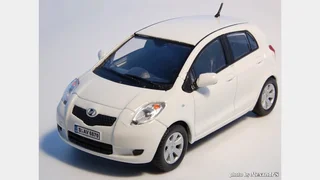
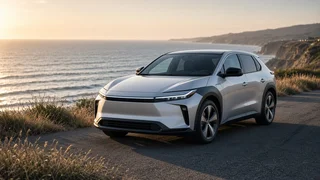
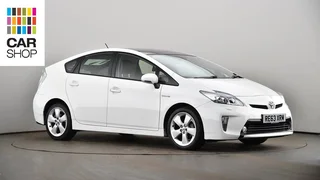
The Toyota car hierarchy is best understood as a structure of vehicle classes and market positions rather than one fixed sequence. At the base are subcompact and compact models designed for efficiency and urban maneuverability. Midsize entries add interior room and more powertrain choices, while larger sedans and crossovers emphasize comfort and highway stability. Body style also matters: a compact hatchback, a midsize sedan, and a small crossover may share a platform but serve different buyers, so their positions in the hierarchy differ by practicality and price.
Within each class, model generation and trim level create further distinctions. A newer generation often revises architecture, technology, and safety equipment, while a higher trim can add features without changing the fundamental size class. Powertrain configuration, including front-wheel drive and all-wheel drive, may alter capability and cost. Market specification can also move a familiar nameplate between segments in different regions. Because Toyota updates its lineup gradually, checking the specific model year and available trims gives a more accurate picture than relying on brand-wide rankings.