Toyota Camry Radiator Cap Pressure
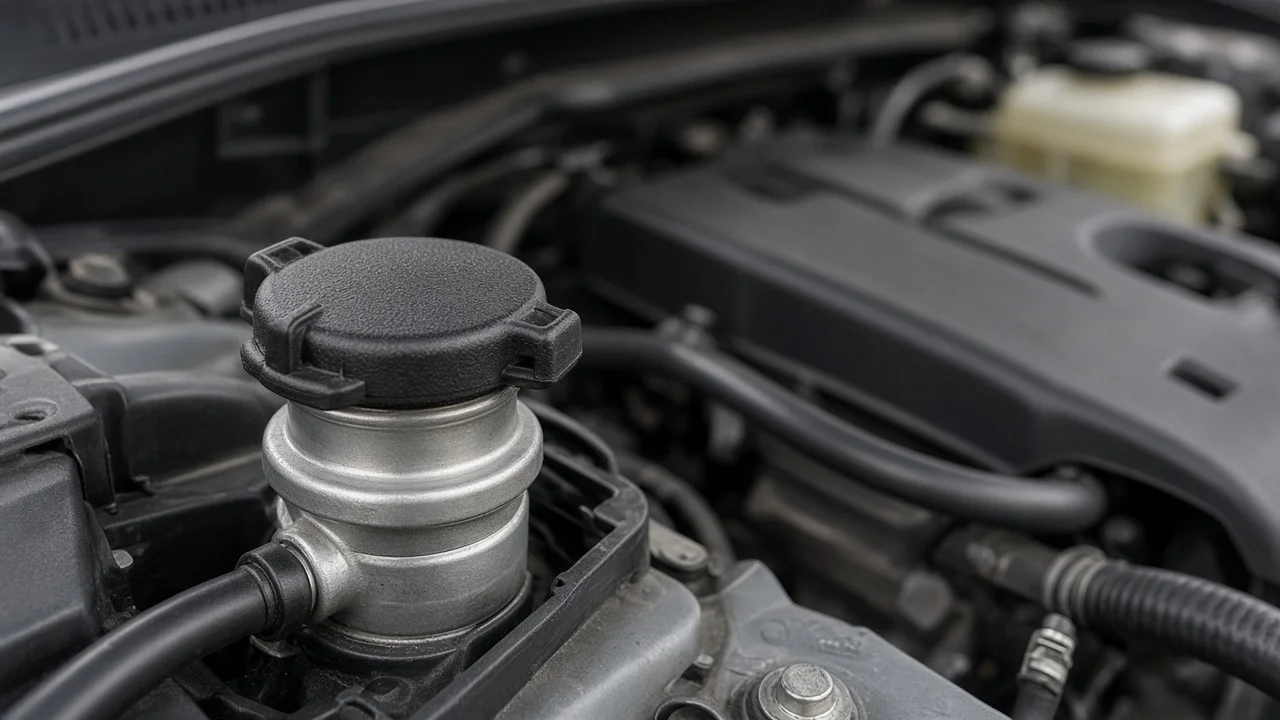
A radiator cap is often overlooked until a cooling issue appears, yet it plays a direct role in how the entire cooling circuit behaves. For a Toyota Camry owner asking about radiator cap pressure, the real subject is the pressure rating at which the cap vents excess coolant and helps regulate boiling protection. Understanding that rating, along with coolant concentration, the thermostat, and the condition of the radiator, turns a small component into a meaningful diagnostic clue rather than a mystery.
Essential answer
Radiator cap pressure on a Toyota Camry refers to the rated pressure at which the cap’s spring-loaded valve opens to release expanding coolant into the recovery tank. A cap that seals properly raises the boiling point of the coolant and keeps the cooling circuit stable during normal heat cycles. The useful answer is not a single fixed number for every Camry, because the required cap rating depends on the generation, engine, and whether the cap fits the radiator neck or a remote pressure tank.
When coolant heats and expands, the pressure cap allows controlled escape instead of letting pressure build until a hose or radiator seam fails. As the engine cools, the cap also permits fluid to return from the recovery tank, which helps prevent air pockets from forming in the radiator. A cap with the wrong pressure rating may vent too early or hold too long, altering coolant behavior and sometimes mimicking symptoms of a failing thermostat or a weak radiator.